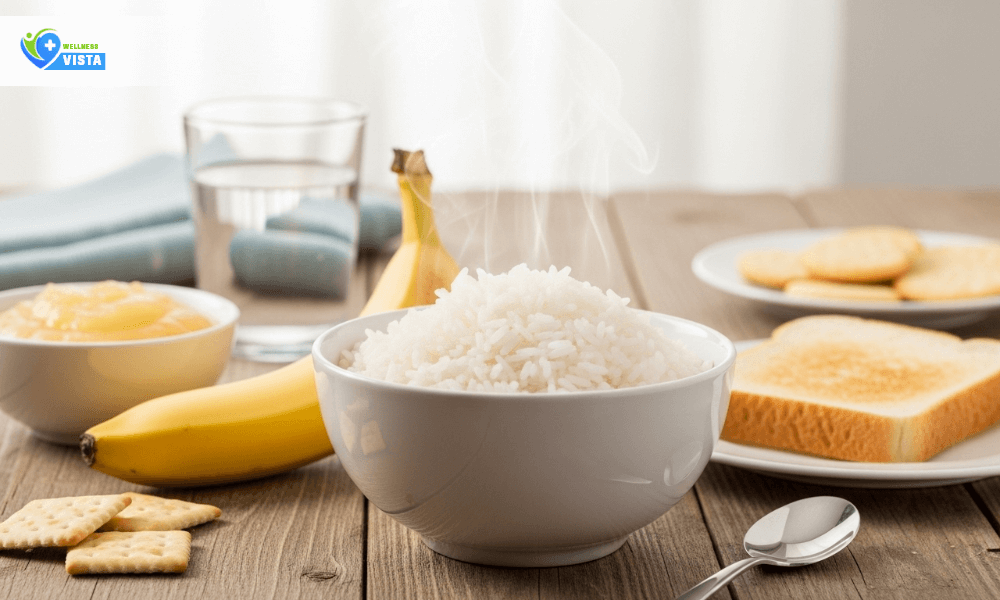
Bland diet foods can calm your stomach when nothing else feels safe to eat. However, heartburn, diarrhea, or nausea. Most of the Doctors in the United States recommend bland diet foods during short-term stomach distress.
This approach is constantly called a Soft diet, Low fiber diet, Low residue diet, or Gastrointestinal soft diet. It focuses on GI-friendly foods that reduce acid production and support intestinal healing. You eat simple meals. You avoid irritation. You give your body time for GI tract recovery.
What Are Bland Diet Foods?
Bland diet foods are soft, low in fat, mild in flavor, and easy on the digestive system. They reduce stomach vexation and lower the threat of influx symptoms. Many people use them during a stomach bug diet or food poisoning recovery period.
This type of eating plan overlaps with a Stomach healing diet, a peptic ulcer diet, and an acid reflux diet. It removes spicy foods, fried foods, and gas-producing foods. It supports heartburn relief and reduces bloating and flatulence.
Why Bland Diet Foods Help an Upset Stomach
When you have gastrointestinal torture, your stomach becomes sensitive. Strong flavors and heavy fats increase acid product. That leads to indigestion and more discomfort. Bland diet foods lower this stress and act as an Anti-irritation diet.
Doctors often suggest this plan during a Diet for nausea and vomiting, a diet for diarrhea, or a diet for bloating and gas. It also supports people following a GERD diet plan, a Gastritis diet, or an IBS flare diet. You allow digestive rest diet principles to guide your meals.
For medical guidance, you can review digestive health resources from the National Institute of Diabetes and Digestive and Kidney Diseases at NIDDK
Complete Bland Diet Foods List (What to Eat)
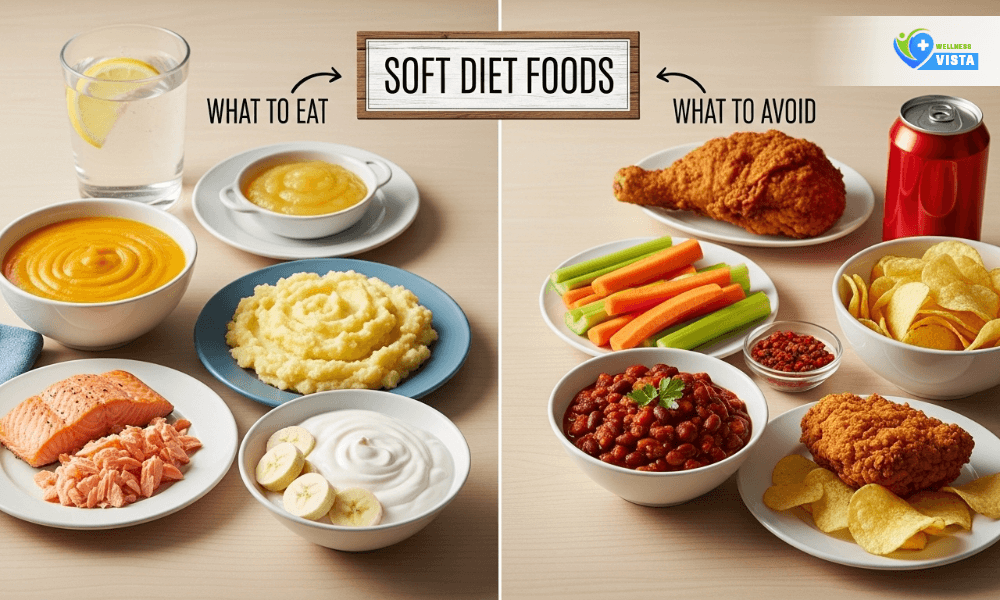
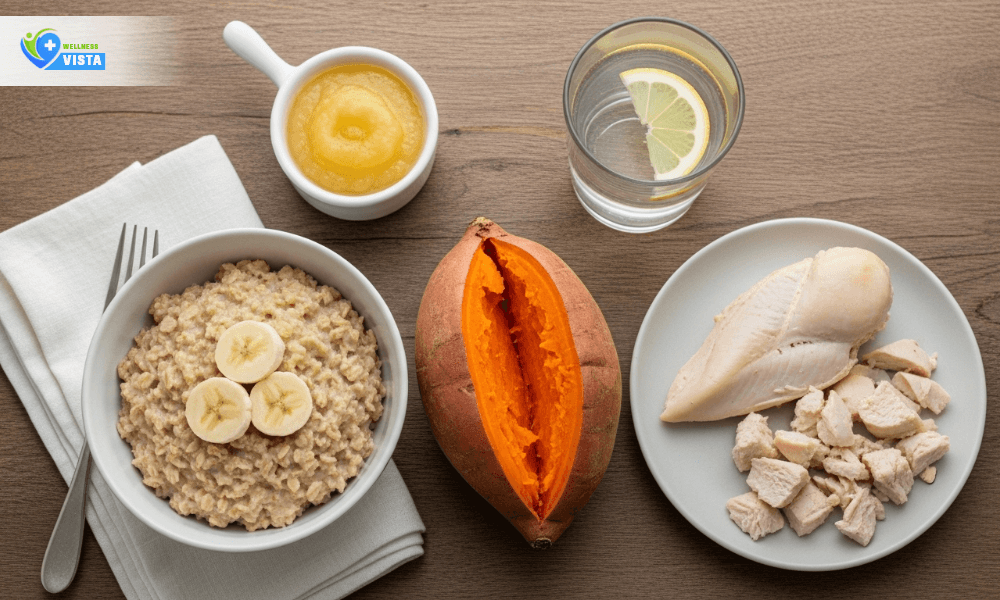
Bland diet foods include perfected grains, soft fruits, cooked vegetables, lean proteins, and mild dairy. These foods are easy to digest, reduce vexation, and support GI friendly foods choices.
Below is a distributed list generally recommended in the United States.
Refined Grains and Easy-to-Digest Starches:
White rice, White chuck, Refined grains, Cream of Wheat, Farina, Grits, White pasta, Saltine crackers, Pretzels, mashed potatoes, Rice pates, and Couscous are common items. These low-fiber foods for an upset stomach help during a Recovery diet after stomach illness.
These foods are frequently used in a mellow diet for diarrhea and a mellow diet after stomach surgery. They reduce coprolite bulk and calm digestive inflammation.
Low-Fat Dairy Options:
Low-fat milk, Fat-free yogurt, cabin rubbish, Mild rubbish, Ricotta, Mozzarella, and Pudding are constantly permitted in small portions. They give protein without spare fat.
Still, choose lactose-free options if lactose worsens bloating. These fit within aPost-surgery diet or Stomach ulcer foods plan.
Lean Protein Sources:
Skinless funk, spare flesh, Fish similar to salmon and trout, Eggs, Tofu, Creamy peanut adulation, Bone broth, Shellfish, and spare meat give protein for mending.
Protein supports intestinal healing. Numerous people ask, can you eat eggs on a mellow diet? Yes. Soft-boiled or scrambled eggs generally work well.
Cooked Vegetables That Are Gentle on Digestion:
Carrots, Green tire, Spinach, Pumpkin, Squash, Zucchini, Sweet potatoes, cooked vegetables, fried vegetables, and Canned vegetables are easier to tolerate than raw vegetables.
Cooking breaks down fiber. That makes these Gentle foods for stomach support and GI tract recovery.
Soft Fruits and Low-Acid Options:
Bananas, Applesauce, Melons, Canned peaches, Pear juice, Apple juice, andNon-citrus fruits are common choices. Numerous people ask, are bananas good for a mellow diet? Yes. Bananas are soft and low in acid.
These fruits fit within a Pregnancy nausea diet and a bland diet for nausea during pregnancy.
Safe Drinks for Digestive Relief:
Water, Herbal tea, Chamomile tea, Weak black tea, Low-acid juice, and Caffeine-free drinks are usually safe. Avoid carbonation if bloating increases.
Hydration helps during a Diet for diarrhea or a chemotherapy side effects diet.
What Food Is on a Bland Diet?
| Category | Safe Choices | Avoid |
| Grains | White rice, White bread, Cream of Wheat | Whole grains, Brown rice, Bran |
| Protein | Skinless chicken, Eggs, Tofu | Fatty meats, Sausages, Processed meats |
| Vegetables | Carrots, Squash, Spinach | Raw vegetables, Broccoli, Cabbage |
| Fruits | Bananas, Applesauce | Oranges, Lemons, Grapefruit |
| Drinks | Water, Chamomile tea | Coffee, Alcohol, Caffeinated drinks |
This table helps answer what foods are allowed on a bland diet in a simple form.
Foods to Avoid on a Bland Food Diet for Gastritis and Acid Reflux
Avoiding triggers is as important as choosing Bland diet foods. Certain particulars increase stomach vexation and worsen influx symptoms.
High-Fiber and Whole Grains:
Whole grains, Brown rice, Whole wheat pasta, high-fiber cereals, Bran, and Granola can worsen bloating during digestive inflammation. They’re healthy long- term. They aren’t ideal during acute flare-ups.
Spicy and Acidic Foods:
Spicy foods, Chili pepper, Hot sauce, Garlic, Jalapeños, Citrus fruits, Oranges, failures, Grapefruit, and Tomato products increase acid production. They frequently worsen influx symptoms in a GERD diet plan.
Fried, Fatty, and Processed Foods:
Fried foods, slimy foods, Adipose flesh, Bangers, and reused flesh slow digestion. They increase indigestion and stomach vexation.
Gas-Producing Vegetables:
Cruciferous vegetables like Broccoli, Cabbage, Cauliflower, Sauerkraut, and Pickles may cause flatulence. They’re common gas-producing foods.
Caffeine, Alcohol, and Irritating Drinks:
Alcohol, Coffee, Caffeinated drinks, and Chocolate stimulate acid production. These worsen heartburn relief and sweats.
For reflux education, the American College of Gastroenterology offers useful resources at ACG.
Bland Diet Foods for Specific Digestive Conditions
Bland diet foods are frequently used in a Crohn’s complaint diet, Ulcerative colitis diet, Diverticulitis diet, and a mellow diet for Crohn’s complaint flare. They reduce fiber and vexation during active inflammation.
They also support a mellow diet for acid influx, a bland diet for ulcerative colitis, and a mellow diet for stomach ulcer healing. Always consult a healthcare provider for habitual symptoms.
7-Day Sample Bland Diet Meal Plan
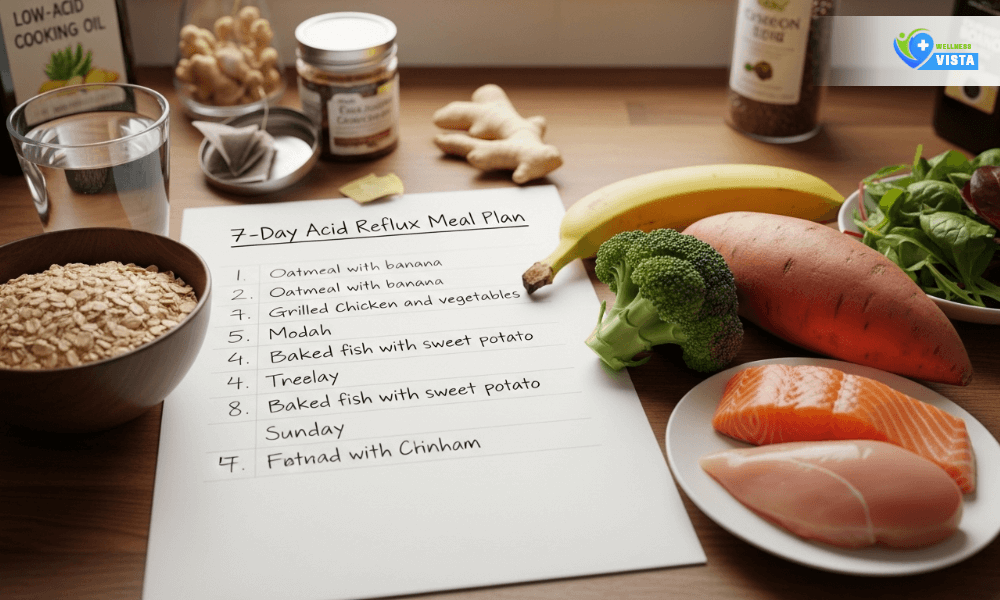
A simple, bland ( Mellow) diet mess plan may include oatmeal made with low-fat milk for breakfast, white rice with skinless chicken for lunch, and baked fish with mashed potatoes for dinner. Snacks may include bananas, applesauce, or saltine crackers.
Each day, rotate spare proteins, perfected grains, and cooked vegetables. This prevents nutrient gaps while keeping reflections simple and GI-friendly.
Tips to Follow a Bland Diet Safely
Eat small meals every three to four hours. suck slowly. Avoid lying down after eating. Gradually introduce fiber once symptoms improve.
Numerous people ask how long you should stay on a mellow diet. Most doctors recommend short- term use for one to two weeks unless medically supervised.
Risks and Nutritional Considerations
A long-term low-fiber diet may lead to constipation and nutrient gaps. Some people ask, does a mellow diet cause constipation? It can if fluids and gradual fiber reintroduction are ignored.
A balanced plan should transition back to fruits, vegetables, and Whole grains once GI tract recovery occurs. This prevents long-term scarcities.
FAQs
Q1: Is a bland diet the same as the BRAT diet?
A1: No. The BRAT diet focuses on bananas, rice, applesauce, and toast. Bland (Mellow) diet foods include a wider range of proteins, dairy, and vegetables. You can read further in the article comparing the Mellow Diet vs the BRAT Diet.
Q2: Can you eat eggs on a bland diet?
A2: Yes. Eggs are soft and high in protein. They fit well into a bland diet for diarrhea or after stomach surgery.
Q3: Is peanut butter allowed?
A3: Creamy peanut butter in small portions is usually allowed. Avoid chunky versions because Nuts and seeds can irritate the stomach.