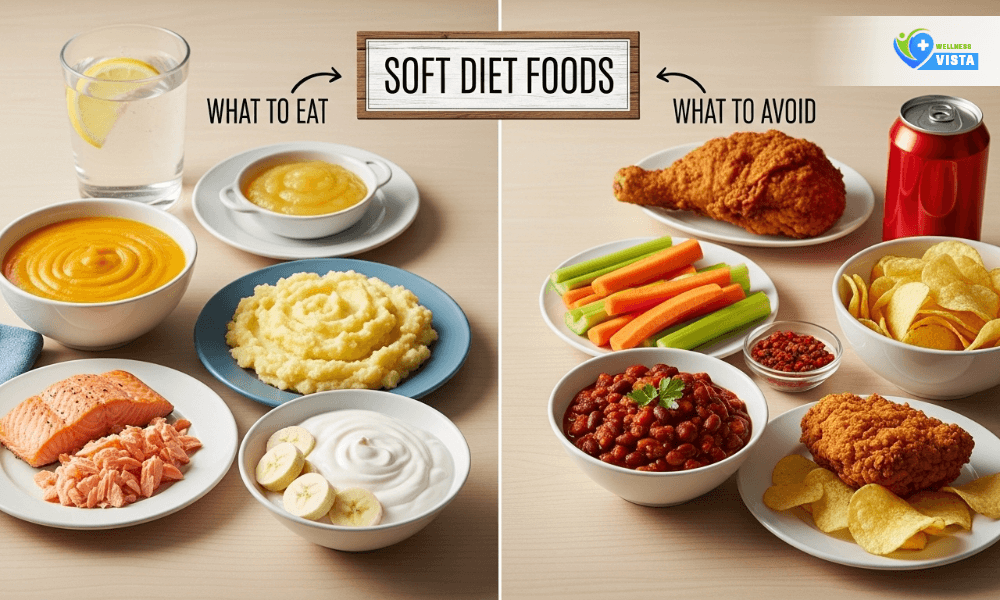
Soft diet foods help your body heal when regular foods feel too hard to bite or digest. Croakers frequently suggest soft diet foods as part of a soft diet plan during illness or mending. This approach focuses on easy-to-chew foods and easy-to-swallow foods that reduce strain on your stomach and throat. In the United States, hospitals generally use a gastrointestinal soft diet or mechanical soft diet as a short- term recovery diet after surgery. However, this companion explains everything in clear, simple terms. If you have ever wondered what a soft food diet. Soft diet foods are not just mashed refectives. They’re precisely chosen digestive mending foods that cover sensitive apkins. Numerous people follow this plan after dental work, abdominal surgery, or swallowing issues. According to the National Institute on Aging, texture changes can ameliorate safety for aged grown-ups with biting problems. Understanding the benefits of soft food diet choices can make your recovery smoother and less stressful. What Are Soft Diet Foods? Soft diet foods are reflections with a gentle texture and low fiber. They belong to a low-fiber diet or occasionally a low-residue diet when croakers want to reduce bowel movement bulk. These foods are wettish, tender, and simple to break down. Numerous hospitals call this food texture approach food texture revision. Cases frequently compare pureed vs soft diet plans when deciding what fits their requirements. When you follow a gastrointestinal soft diet, you avoid rough edges and hard crusts. The focus stays on soft texture reflections that bear minimal chewing. This system supports balanced soft diet nutrition without galling your digestive tract. It’s common in post-surgery diet plans and during nutrition during recovery ages. Why Are Soft Diet Foods Recommended? Croakers suggest soft diet foods for mending and safety. After procedures like abdominal surgery, diet, or oral surgery, patients feel sore. Tough foods can renew injuries. That’s why numerous people follow a Soft Food Diet After Surgery or, indeed, a wisdom teeth extraction diet. The same applies to a radiation remedy diet or chemotherapy recovery diet. Soft diet foods also support people with biting and swallowing disorders. However, croakers may define a dysphagia diet or dysphagia treatment diet to lower the aspiration threat and food texture problems if someone has dysphagia. Research from the Academy of Nutrition and Dietetics highlights how texture- modified diets ameliorate safety for many patients. Who Should Follow a Gastrointestinal Soft Diet? Many groups benefit from soft diet foods. Patients with IBS may need IBS diet soft foods. Those with inflammation follow an ulcerative colitis diet or a diverticulitis diet plan. These conditions respond well to a fiber-restricted diet and a gut-friendly diet approach. This makes soft diet foods part of a Soft Diet for Digestive Problems strategy. Aged grown-ups frequently need a senior soft diet or Soft Diet for an elderly care plan. Stroke survivors may follow a stroke recovery diet or a swallowing difficulty diet. In each case, croakers estimate who needs a soft diet before starting. Professional guidance ensures proper medical nutrition remedy and safe progress. Gastrointestinal Soft Diet Food List (Foods to Eat) A soft food diet includes tender proteins, smooth grains, and moist produce. Doctors often share a Mechanical Soft Diet Food List or tender foods list to guide choices. Below is a helpful table showing common protein sources on a soft diet and produce from a trusted soft vegetables list and soft fruits list. Food Group Examples Why It Works Proteins Eggs, ground turkey, tofu Easy to chew, supports high-protein soft meals Fruits Bananas, applesauce Gentle fiber, low irritation Vegetables Cooked carrots, mashed potatoes Soft texture, part of low-acid soft foods Grains Oatmeal, white rice Simple digestion Dairy Yogurt, cottage cheese Moist and soothing These choices create GI-friendly meals and support the best foods for digestive rest. They are often part of a Soft Food Diet Meal Plan designed by a professional. Choosing dietitian-recommended soft foods improves healing and energy. Soft Protein Sources: Protein protects muscle during recovery. Eggs, soft fish, tofu, and ground meats fit perfectly into soft diet foods. These choices build strength while staying easy to chew. Many hospitals use them in a Soft Food Diet Recovery Plan. Soft Fruits: Ripe bananas, canned peaches, and applesauce are safe options. They provide vitamins without harsh fiber. These fruits support fiber intake on a soft diet without upsetting the stomach. Soft Vegetables: Cooked carrots, squash, and peeled potatoes belong on a safe jaw surgery food list. They soften well and reduce irritation in a soft diet for GI inflammation. Grains & Starches: White rice, oatmeal, and pasta are common in a mechanically altered diet. These grains digest easily and help maintain energy levels. Dairy & Fluids: Milk, yogurt, and broth improve hydration on a soft diet. Fluids prevent constipation and maintain comfort. Soft Diet Foods to Avoid Certain foods damage mending apkins. Brickle nuts, raw vegetables, popcorn, and fried flesh are common foods to avoid on soft diet plans. Racy gravies belong to a low-spice diet plan and should be limited. Acidic fruits can irritate a sensitive stomach. Avoiding these items protects your progress. Hard textures increase aspiration prevention diet concerns. Limiting rough foods lowers the chance of choking and discomfort. Smart choices reduce setbacks and protect your recovery timeline. Soft Food Diet Ideas for Easy Meals Soft diet foods can still taste good. Think creamy oatmeal with banana for breakfast or mashed potatoes with shredded chicken for dinner. These are simple meal ideas for soft food diet planning. They fit into practical soft meal ideas used across U.S. hospitals. Lunch might include tuna salad without crunchy vegetables. Dinner could be baked fish with soft rice. Snacks like yogurt and pudding serve as gentle snacks for soft diet patients. These are reliable soft snack ideas that keep energy steady. Breakfast Ideas: Scrambled eggs and oatmeal make excellent soft breakfast ideas. They digest easily and provide protein. Lunch Ideas: Chicken noodle soup and mashed vegetables work as safe soft lunch ideas. Dinner Ideas: Ground turkey with

15 Health Benefits of Soursop Leaves: Total Body Wellness
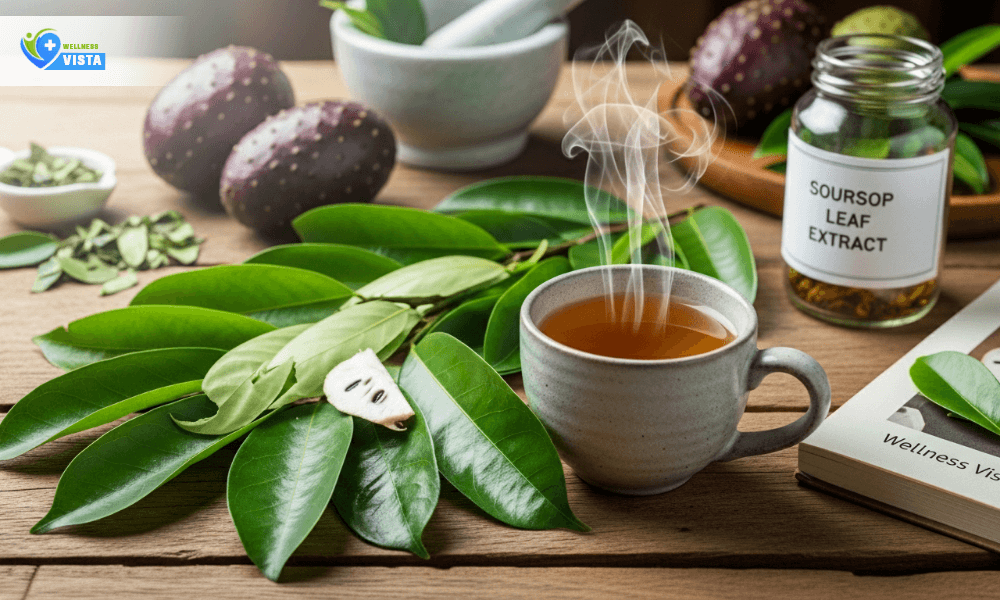
Soursop is not just a tropical fruit you might see at the planter’s request; it’s a natural hustler caching in plain sight. Its leaves, known as Graviola leaves or Annona muricata leaves, have been used for centuries in traditional medicine for everything from supporting the vulnerable system to fighting habitual inflammation. However, this companion will show you the 15 Health Benefits of Soursop Leaves and how they can transform your health routine naturally, if you’ve ever wondered why health suckers are raving about soursop splint tea benefits. From boosting energy and supporting cardiovascular health to promoting glowing skin and abetting digestive health, these leaves are more than just a herbal remedy — they’re a full- body heartiness result. What Are Soursop Leaves? Soursop leaves, also known as Guanabana leaves, come from the Annona muricata tree. They’re dark green and lustrous, truly different from the soft fruit. These leaves have been part of herbal drug in tropical regions for centuries. People in Central and South America used soursop leaves for immunity and to reduce habitual inflammation. moment, these leaves are packed worldwide, including in the USA, where people make soursop herbal tea or take them as capsules. The leaves contain multitudinous phytochemicals, including acetogenins, alkaloids, and polyphenols, which support metabolic health and cover against oxidative stress. Traditional uses of soursop leaves constantly include boiling the leaves to make a flake decoction or using soursop flake cream in remedies. Their strong antioxidant mixes make them precious for anyone seeking natural detoxification and factory-grounded remedies. Why Soursop Leaves Are a important Natural Remedy? Soursop leaves are considered a tropical medicinal plant because of their wide health benefits. They are rich in anti-inflammatory agents and antioxidant compounds, which help fight free radicals. These composites may cover the body against high blood pressure, common pain, and bacterial infections. Regular use of soursop splint tea or soursop splint extract may also support liver detox and overall digestive health. Ultramodern wisdom is now exploring soursop leaves for cancer exploration, while traditional healers have long used them for herbal medications and natural tea remedies. The leaves’ bioactive composites contribute to holistic health, making them a popular choice in indispensable drug and natural health routines. 15 Health Benefits of Soursop Leaves for Overall Health The 15 Health Benefits of Soursop Leaves cover nearly every system in the body. These include vulnerable system support, cardiovascular health, digestive health, and respiratory support. They’re especially notorious for their soursop leaves antioxidants, which help reduce oxidative stress and slow skin aging. The leaves are also known to fight fungal infections and bacterial infections naturally, which makes them a strong herbal supplement. For example, a quotidian herbal infusion from soursop leaves can better improve insulin sensitivity, helping those with blood sugar issues. They may also reduce high blood pressure and support heart health. multitudinous studies have shown that soursop leaves for inflammation can lower lump, making them useful for common pain and minor aches. Benefit Explanation Immune Support Strengthens body defense using phytochemicals Anti-inflammatory Reduces chronic inflammation and pain Antioxidants Fights free radicals and slows aging Heart Health Supports cardiovascular health and lowers blood pressure Digestive Health Improves digestion and gut balance Liver Protection Helps liver detox and toxin removal Skin Health Reduces skin aging and improves glow Respiratory Support Helps with cough and lung health Pain Relief Alleviates joint pain and minor aches Blood Sugar Control Supports insulin sensitivity and diabetes management Antimicrobial Fights bacterial infections and fungal infections Cancer Research May help in cancer research due to acetogenins Stress Relief Supports the nervous system and reduces anxiety Energy & Vitality Boosts metabolic health and energy levels Cognitive Health Protects the brain from oxidative stress Health Benefits of Soursop Leaves Tea Drinking soursop splint tea is the most popular way to get the benefits of these leaves. When you make a herbal medication by boiling soursop leaves, the bioactive composites like polyphenols and acetogenins are released into the water. This diurnal herbal drink can ameliorate vulnerable system support, reduce habitual inflammation, and enhance digestive health. The tea also acts as a natural detoxification agent for the liver and supports heart health. Studies show that harmonious use of soursop splint tea include better metabolic health, lower blood sugar levels, and better gut function. Numerous people combine it with herbal supplements for a stronger effect. Health Benefits of Soursop Leaves Tea for Weight Management 15 Health Benefits of Soursop Leaves Tea for Weight Management. Soursop leaves help support metabolism and help in fat metabolism. The tea can regulate blood sugar situations and reduce jones, making it easier to maintain a healthy weight. Its fiber content supports digestion and prevents bloating, contributing to weight loss. Numerous herbal suckers in the USA drink soursop splint tea before refecting. They find it enhances insulin sensitivity, supports cardiovascular health, and aids in natural detoxification. A regular herbal infusion helps maintain metabolic health and provides energy without instigations. Key Benefits for Major Body Systems Soursop leaves support multiple body systems. The heart benefits from polyphenols, which improve circulation and reduce high blood pressure. The digestive system thrives on the fiber and herbal benefits of soursop, improving gut bacteria and reducing constipation. The immune system gets a boost from soursop leaves antioxidants, while the liver is defended through liver detox goods. The lungs and respiratory tract are soothed by the tea, which reduces cough and congestion. Using Annona muricata leaves in your daily routine strengthens overall natural heartiness. Scientific Composites Behind Soursop Leaves Benefits Scientific Composites Behind Soursop Leaves Benefits The power of soursop leaves comes from acetogenins, alkaloids, and polyphenols. These bioactive compounds reduce oxidative stress caused by free radicals. They also act asanti-inflammatory agents, reducing habitual inflammation and pain. Other phytochemicals help ameliorate insulin sensitivity and regulate blood sugar levels, supporting soursop leaves for diabetes treatment. Together, these composites make the leaves effective in traditional mending and ultramodern natural heartiness practices. How to Prepare and Use Soursop Leaves Tea To make soursop splint tea, take 3 – 5
Health Triangle: A Simple Guide to Balanced Health
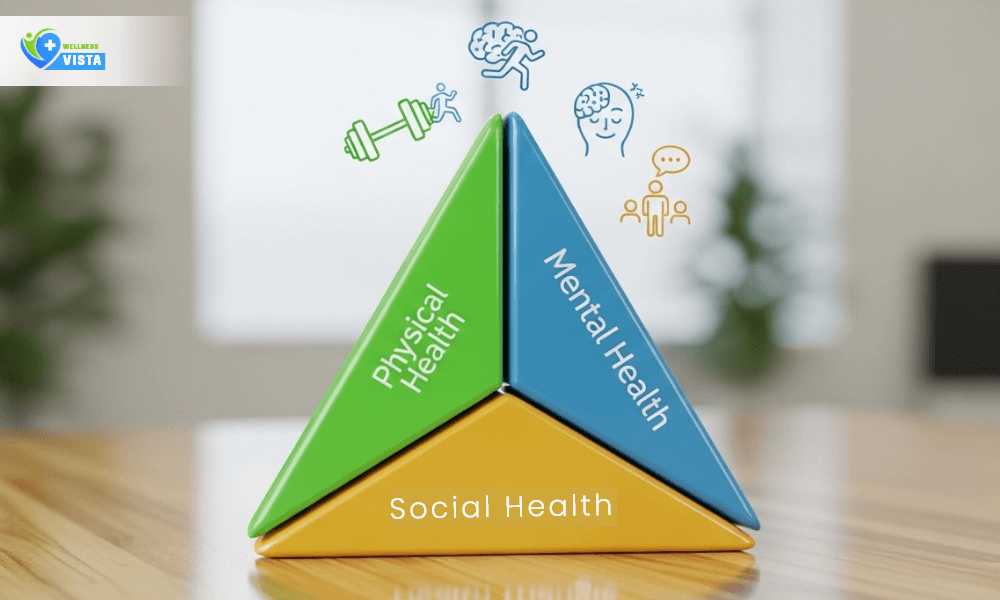
Health triangle is not just a term you’ll see in handbooks; it’s a roadmap to living your healthiest, happiest life. Numerous people concentrate only on exercise or diet, allowing that’s enough for physical health, but true heartiness is far more intricate. Your internal health and social health are just as vital, shaping how you handle stress, connect with others, and indeed how your body responds to diurnal challenges. Ignoring one side can still unravel the others, leaving you drained, unmotivated, or emotionally out of balance. Understanding the health triangle gives you clarity, showing exactly how to strengthen each area. By learning to balance your tone-care routine, you unleash a sustainable path toward energy, adaptability, and overall happiness that lasts a continuation. What Is the Health Triangle? To understand what is the health triangle, look at the World Health Organization (WHO) definition. The WHO definition of health explains health as complete mental, physical, and social balance, not only the absence of disease. The health triangle connects physical wellbeing, emotional wellbeing, and social wellbeing into one health and wellness model. This holistic wellbeing framework is widely used in health psychology, happiness psychology, and wellness science. Tools like the health triangle assessment, the health triangle worksheet, and the self-assessment help people understand their wellness journey clearly. The Three Sides of the Health Triangle Explained The health triangle depends on equal strength in all areas. Weakness on one side affects the others. This balance protects against habitual health issues, supports preventative health care, and improves life operation. The determinants of health include genetics and biology, terrain and living conditions, access to healthcare, access to nutritional food, clean water availability, fiscal stability, and lifestyle and life choices. These factors shape long- term health issues. Physical Health: Regular physical exertion, diurnal exercise, walking, strength training, fitness classes, yoga, stretching, and natural body movement ameliorate optimum physical performance and cover vulnerable system health. Good nutrition and diet include a balanced diet, low glycemic foods, healthy fats, fruits and vegetables, proper water input, and strong hydration benefits. Healthy sleep quality, sleep hygiene, 7 – 9 hours of sleep, and proper rest and recovery strengthen the vulnerable system. Mental Health: The mental side supports internal health, mindfulness, and emotional health. Strong internal good improves focus, provocation, and confidence. diurnal stress reduction, anxiety operation, and depression forestallment cover emotional balance. Healthy managing chops, emotional regulation, and awareness practices like journaling, tone-reflection, and tone-mindfulness figure emotional adaptability. A positive mindset, strong tone of regard, and adaptability structure help collapse symptoms and decision fatigue. Social Health in the Health Triangle: The social health importance side focuses on relationships. Strong social health and social good grow through connections, family support, gemütlichkeit, peer connections, and colleague connections, supported by good communication skills. Regular social commerce and social connection, community involvement, volunteering benefits, social events, and strong support systems help loneliness. Healthy support networks, participated conditioning, and relationship heightening ameliorate community well-being. Why the Health Triangle Needs to Be Balanced A balanced health triangle protects against stress overload. When one side weakens, collapse increases, and recovery slows. Balanced health improves emotional balance, collapse prevention, and long- term happiness and good. Strong balance also improves vulnerable system health, energy situations, and focus. This supports daily productivity and emotional stability. How the Health Triangle Becomes Unstable The health triangle becomes unstable through technology overuse, heavy screen time impact, sleep dislocation, poor nutrition, and weak social bonds. These habits beget eyestrain and headaches, stress, and emotional fatigue. Lack of tone- care actions, weak support systems, and poor life operation increase health pitfalls and emotional insecurity. Health Triangle Assessment – Check Your Overall Wellbeing A health triangle assessment helps identify weak areas. A health triangle worksheet supports self-assessment, health, and goal setting. These tools help track physical, internal, and social habits easily. Healthcare systems use these tools alongside regular medical checks, croaker visits, blood pressure monitoring, and fitness trackers to support early detection. How to Analyze Your Health Triangle Results: Results show which side needs care. Low physical scores signal poor physical well-being. Low mental scores suggest stress overload. Low social scores indicate isolation risk. Adjusting habits sluggishly restores balance and strengthens long- term health. How to Maintain a Balanced Health Triangle Maintaining balance requires simple diurnal choices. A harmonious tone- care routine, strong healthy habits, and an aware life operation cover good. Small advancements produce lasting results across all health areas. Maintain Physical Health: Maintain physical health with regular movement, balanced refections, good sleep, and hygiene. Oral health, dental care, good complaint forestallment, skincare routine, and sunscreen protection help long-term damage. Maintain Mental Health: Mental health improves through remedy, creativity, literacy, and rest. remedy support, certified professionals, and internal illness treatment strengthen emotional stability and provocation. Maintain Social Health: Social health grows through connection. Figure healthy connections, join community conditioning, and strengthen social support systems to help insulation. Using the Health Triangle for Daily Self-Care The health triangle attendants’ diurnal tone- care opinions. It reminds you to balance work, rest, feelings, and connections for better long- term issues. Mental Health Awareness During internal health mindfulness month, the health triangle helps people understand emotional requirements and improve internal health mindfulness across communities. Trusted guidance is available from the World Health Organization (WHO) and medical experts at Mayo Clinic. Start Perfecting Today Perfecting your health triangle starts with mindfulness. Balance body care, emotional strength, and social connection. A small way leads toan important change. A strong triangle supports lifelong health, confidence, and happiness. Conclusion The health triangle reminds us that true healthiness is not just about avoiding illness or going to the spa; it’s about balance. Physical strength, internal stability, and social connection work together to shape your overall quality of life. When one side is ignored, the others begin to suffer, leading to stress, fatigue, and emotional imbalance. By making small diurnal advancements in tone-care, stress operation, and connections, you produce a strong foundation for lifelong health. A balanced health triangle means further energy, better adaptability, and a