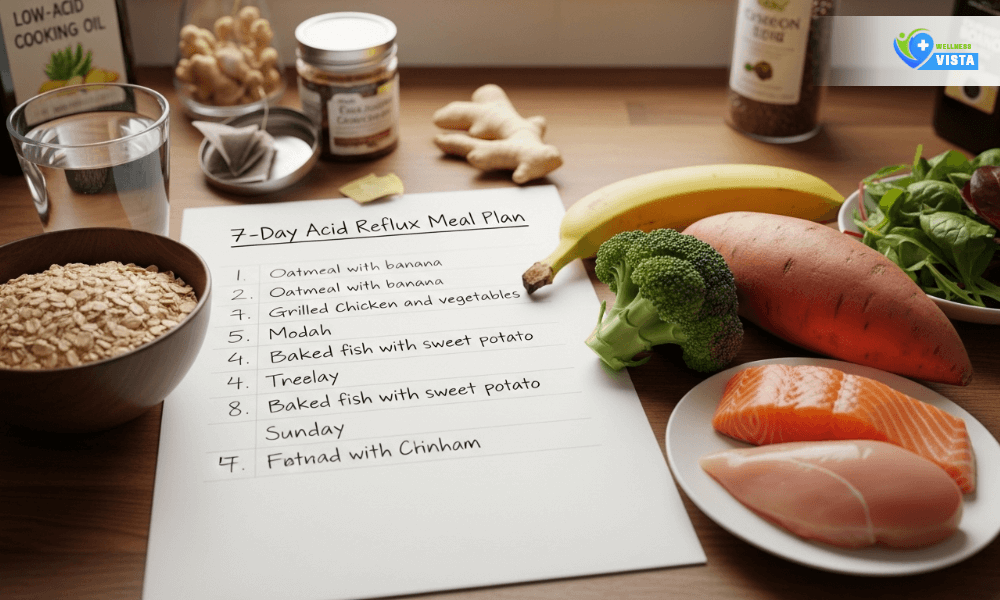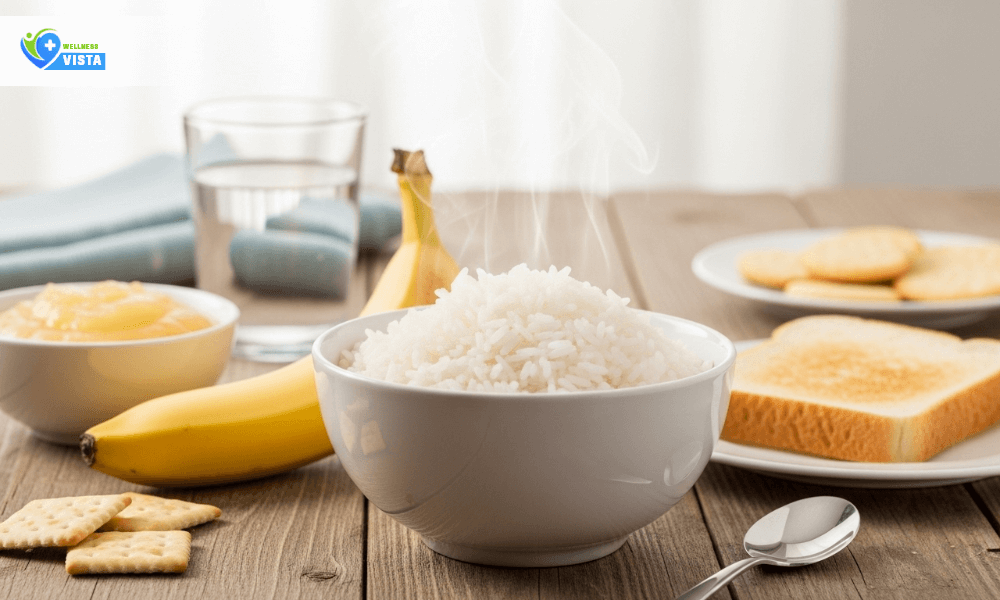
Bland diet foods can calm your stomach when nothing else feels safe to eat. However, heartburn, diarrhea, or nausea. Most of the Doctors in the United States recommend bland diet foods during short-term stomach distress. This approach is constantly called a Soft diet, Low fiber diet, Low residue diet, or Gastrointestinal soft diet. It focuses on GI-friendly foods that reduce acid production and support intestinal healing. You eat simple meals. You avoid irritation. You give your body time for GI tract recovery. What Are Bland Diet Foods? Bland diet foods are soft, low in fat, mild in flavor, and easy on the digestive system. They reduce stomach vexation and lower the threat of influx symptoms. Many people use them during a stomach bug diet or food poisoning recovery period. This type of eating plan overlaps with a Stomach healing diet, a peptic ulcer diet, and an acid reflux diet. It removes spicy foods, fried foods, and gas-producing foods. It supports heartburn relief and reduces bloating and flatulence. Why Bland Diet Foods Help an Upset Stomach When you have gastrointestinal torture, your stomach becomes sensitive. Strong flavors and heavy fats increase acid product. That leads to indigestion and more discomfort. Bland diet foods lower this stress and act as an Anti-irritation diet. Doctors often suggest this plan during a Diet for nausea and vomiting, a diet for diarrhea, or a diet for bloating and gas. It also supports people following a GERD diet plan, a Gastritis diet, or an IBS flare diet. You allow digestive rest diet principles to guide your meals. For medical guidance, you can review digestive health resources from the National Institute of Diabetes and Digestive and Kidney Diseases at NIDDK Complete Bland Diet Foods List (What to Eat) Bland diet foods include perfected grains, soft fruits, cooked vegetables, lean proteins, and mild dairy. These foods are easy to digest, reduce vexation, and support GI friendly foods choices. Below is a distributed list generally recommended in the United States. Refined Grains and Easy-to-Digest Starches: White rice, White chuck, Refined grains, Cream of Wheat, Farina, Grits, White pasta, Saltine crackers, Pretzels, mashed potatoes, Rice pates, and Couscous are common items. These low-fiber foods for an upset stomach help during a Recovery diet after stomach illness. These foods are frequently used in a mellow diet for diarrhea and a mellow diet after stomach surgery. They reduce coprolite bulk and calm digestive inflammation. Low-Fat Dairy Options: Low-fat milk, Fat-free yogurt, cabin rubbish, Mild rubbish, Ricotta, Mozzarella, and Pudding are constantly permitted in small portions. They give protein without spare fat. Still, choose lactose-free options if lactose worsens bloating. These fit within aPost-surgery diet or Stomach ulcer foods plan. Lean Protein Sources: Skinless funk, spare flesh, Fish similar to salmon and trout, Eggs, Tofu, Creamy peanut adulation, Bone broth, Shellfish, and spare meat give protein for mending. Protein supports intestinal healing. Numerous people ask, can you eat eggs on a mellow diet? Yes. Soft-boiled or scrambled eggs generally work well. Cooked Vegetables That Are Gentle on Digestion: Carrots, Green tire, Spinach, Pumpkin, Squash, Zucchini, Sweet potatoes, cooked vegetables, fried vegetables, and Canned vegetables are easier to tolerate than raw vegetables. Cooking breaks down fiber. That makes these Gentle foods for stomach support and GI tract recovery. Soft Fruits and Low-Acid Options: Bananas, Applesauce, Melons, Canned peaches, Pear juice, Apple juice, andNon-citrus fruits are common choices. Numerous people ask, are bananas good for a mellow diet? Yes. Bananas are soft and low in acid. These fruits fit within a Pregnancy nausea diet and a bland diet for nausea during pregnancy. Safe Drinks for Digestive Relief: Water, Herbal tea, Chamomile tea, Weak black tea, Low-acid juice, and Caffeine-free drinks are usually safe. Avoid carbonation if bloating increases. Hydration helps during a Diet for diarrhea or a chemotherapy side effects diet. What Food Is on a Bland Diet? Category Safe Choices Avoid Grains White rice, White bread, Cream of Wheat Whole grains, Brown rice, Bran Protein Skinless chicken, Eggs, Tofu Fatty meats, Sausages, Processed meats Vegetables Carrots, Squash, Spinach Raw vegetables, Broccoli, Cabbage Fruits Bananas, Applesauce Oranges, Lemons, Grapefruit Drinks Water, Chamomile tea Coffee, Alcohol, Caffeinated drinks This table helps answer what foods are allowed on a bland diet in a simple form. Foods to Avoid on a Bland Food Diet for Gastritis and Acid Reflux Avoiding triggers is as important as choosing Bland diet foods. Certain particulars increase stomach vexation and worsen influx symptoms. High-Fiber and Whole Grains: Whole grains, Brown rice, Whole wheat pasta, high-fiber cereals, Bran, and Granola can worsen bloating during digestive inflammation. They’re healthy long- term. They aren’t ideal during acute flare-ups. Spicy and Acidic Foods: Spicy foods, Chili pepper, Hot sauce, Garlic, Jalapeños, Citrus fruits, Oranges, failures, Grapefruit, and Tomato products increase acid production. They frequently worsen influx symptoms in a GERD diet plan. Fried, Fatty, and Processed Foods: Fried foods, slimy foods, Adipose flesh, Bangers, and reused flesh slow digestion. They increase indigestion and stomach vexation. Gas-Producing Vegetables: Cruciferous vegetables like Broccoli, Cabbage, Cauliflower, Sauerkraut, and Pickles may cause flatulence. They’re common gas-producing foods. Caffeine, Alcohol, and Irritating Drinks: Alcohol, Coffee, Caffeinated drinks, and Chocolate stimulate acid production. These worsen heartburn relief and sweats. For reflux education, the American College of Gastroenterology offers useful resources at ACG. Bland Diet Foods for Specific Digestive Conditions Bland diet foods are frequently used in a Crohn’s complaint diet, Ulcerative colitis diet, Diverticulitis diet, and a mellow diet for Crohn’s complaint flare. They reduce fiber and vexation during active inflammation. They also support a mellow diet for acid influx, a bland diet for ulcerative colitis, and a mellow diet for stomach ulcer healing. Always consult a healthcare provider for habitual symptoms. 7-Day Sample Bland Diet Meal Plan A simple, bland ( Mellow) diet mess plan may include oatmeal made with low-fat milk for breakfast, white rice with skinless chicken for lunch, and baked fish with mashed potatoes for dinner. Snacks may include bananas, applesauce, or saltine crackers. Each day, rotate spare

Soft Diet Foods: What to Eat & Avoid
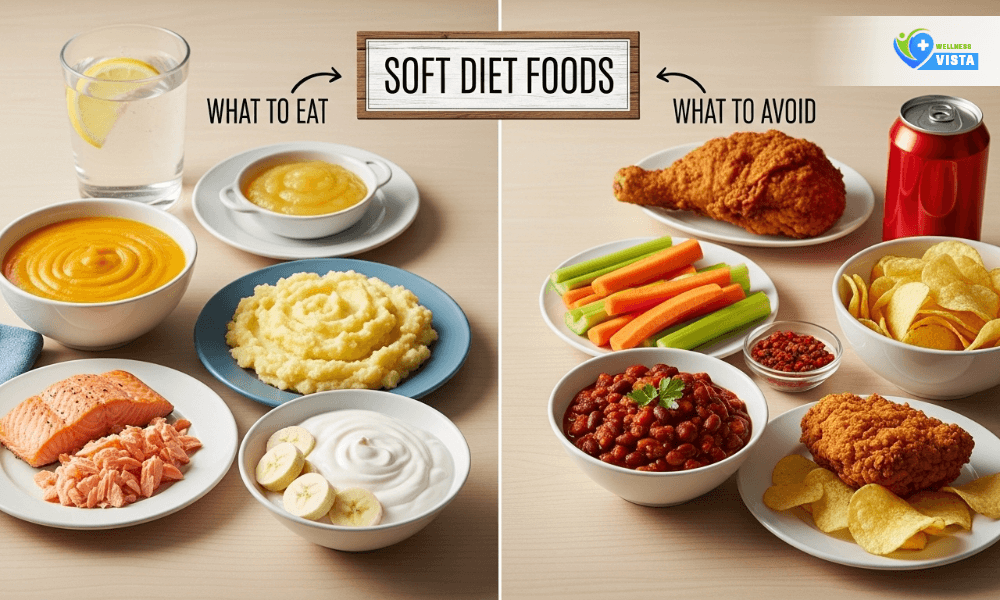
Soft diet foods help your body heal when regular foods feel too hard to bite or digest. Croakers frequently suggest soft diet foods as part of a soft diet plan during illness or mending. This approach focuses on easy-to-chew foods and easy-to-swallow foods that reduce strain on your stomach and throat. In the United States, hospitals generally use a gastrointestinal soft diet or mechanical soft diet as a short- term recovery diet after surgery. However, this companion explains everything in clear, simple terms. If you have ever wondered what a soft food diet. Soft diet foods are not just mashed refectives. They’re precisely chosen digestive mending foods that cover sensitive apkins. Numerous people follow this plan after dental work, abdominal surgery, or swallowing issues. According to the National Institute on Aging, texture changes can ameliorate safety for aged grown-ups with biting problems. Understanding the benefits of soft food diet choices can make your recovery smoother and less stressful. What Are Soft Diet Foods? Soft diet foods are reflections with a gentle texture and low fiber. They belong to a low-fiber diet or occasionally a low-residue diet when croakers want to reduce bowel movement bulk. These foods are wettish, tender, and simple to break down. Numerous hospitals call this food texture approach food texture revision. Cases frequently compare pureed vs soft diet plans when deciding what fits their requirements. When you follow a gastrointestinal soft diet, you avoid rough edges and hard crusts. The focus stays on soft texture reflections that bear minimal chewing. This system supports balanced soft diet nutrition without galling your digestive tract. It’s common in post-surgery diet plans and during nutrition during recovery ages. Why Are Soft Diet Foods Recommended? Croakers suggest soft diet foods for mending and safety. After procedures like abdominal surgery, diet, or oral surgery, patients feel sore. Tough foods can renew injuries. That’s why numerous people follow a Soft Food Diet After Surgery or, indeed, a wisdom teeth extraction diet. The same applies to a radiation remedy diet or chemotherapy recovery diet. Soft diet foods also support people with biting and swallowing disorders. However, croakers may define a dysphagia diet or dysphagia treatment diet to lower the aspiration threat and food texture problems if someone has dysphagia. Research from the Academy of Nutrition and Dietetics highlights how texture- modified diets ameliorate safety for many patients. Who Should Follow a Gastrointestinal Soft Diet? Many groups benefit from soft diet foods. Patients with IBS may need IBS diet soft foods. Those with inflammation follow an ulcerative colitis diet or a diverticulitis diet plan. These conditions respond well to a fiber-restricted diet and a gut-friendly diet approach. This makes soft diet foods part of a Soft Diet for Digestive Problems strategy. Aged grown-ups frequently need a senior soft diet or Soft Diet for an elderly care plan. Stroke survivors may follow a stroke recovery diet or a swallowing difficulty diet. In each case, croakers estimate who needs a soft diet before starting. Professional guidance ensures proper medical nutrition remedy and safe progress. Gastrointestinal Soft Diet Food List (Foods to Eat) A soft food diet includes tender proteins, smooth grains, and moist produce. Doctors often share a Mechanical Soft Diet Food List or tender foods list to guide choices. Below is a helpful table showing common protein sources on a soft diet and produce from a trusted soft vegetables list and soft fruits list. Food Group Examples Why It Works Proteins Eggs, ground turkey, tofu Easy to chew, supports high-protein soft meals Fruits Bananas, applesauce Gentle fiber, low irritation Vegetables Cooked carrots, mashed potatoes Soft texture, part of low-acid soft foods Grains Oatmeal, white rice Simple digestion Dairy Yogurt, cottage cheese Moist and soothing These choices create GI-friendly meals and support the best foods for digestive rest. They are often part of a Soft Food Diet Meal Plan designed by a professional. Choosing dietitian-recommended soft foods improves healing and energy. Soft Protein Sources: Protein protects muscle during recovery. Eggs, soft fish, tofu, and ground meats fit perfectly into soft diet foods. These choices build strength while staying easy to chew. Many hospitals use them in a Soft Food Diet Recovery Plan. Soft Fruits: Ripe bananas, canned peaches, and applesauce are safe options. They provide vitamins without harsh fiber. These fruits support fiber intake on a soft diet without upsetting the stomach. Soft Vegetables: Cooked carrots, squash, and peeled potatoes belong on a safe jaw surgery food list. They soften well and reduce irritation in a soft diet for GI inflammation. Grains & Starches: White rice, oatmeal, and pasta are common in a mechanically altered diet. These grains digest easily and help maintain energy levels. Dairy & Fluids: Milk, yogurt, and broth improve hydration on a soft diet. Fluids prevent constipation and maintain comfort. Soft Diet Foods to Avoid Certain foods damage mending apkins. Brickle nuts, raw vegetables, popcorn, and fried flesh are common foods to avoid on soft diet plans. Racy gravies belong to a low-spice diet plan and should be limited. Acidic fruits can irritate a sensitive stomach. Avoiding these items protects your progress. Hard textures increase aspiration prevention diet concerns. Limiting rough foods lowers the chance of choking and discomfort. Smart choices reduce setbacks and protect your recovery timeline. Soft Food Diet Ideas for Easy Meals Soft diet foods can still taste good. Think creamy oatmeal with banana for breakfast or mashed potatoes with shredded chicken for dinner. These are simple meal ideas for soft food diet planning. They fit into practical soft meal ideas used across U.S. hospitals. Lunch might include tuna salad without crunchy vegetables. Dinner could be baked fish with soft rice. Snacks like yogurt and pudding serve as gentle snacks for soft diet patients. These are reliable soft snack ideas that keep energy steady. Breakfast Ideas: Scrambled eggs and oatmeal make excellent soft breakfast ideas. They digest easily and provide protein. Lunch Ideas: Chicken noodle soup and mashed vegetables work as safe soft lunch ideas. Dinner Ideas: Ground turkey with
15 Best Easy to Digest Foods for Stomach
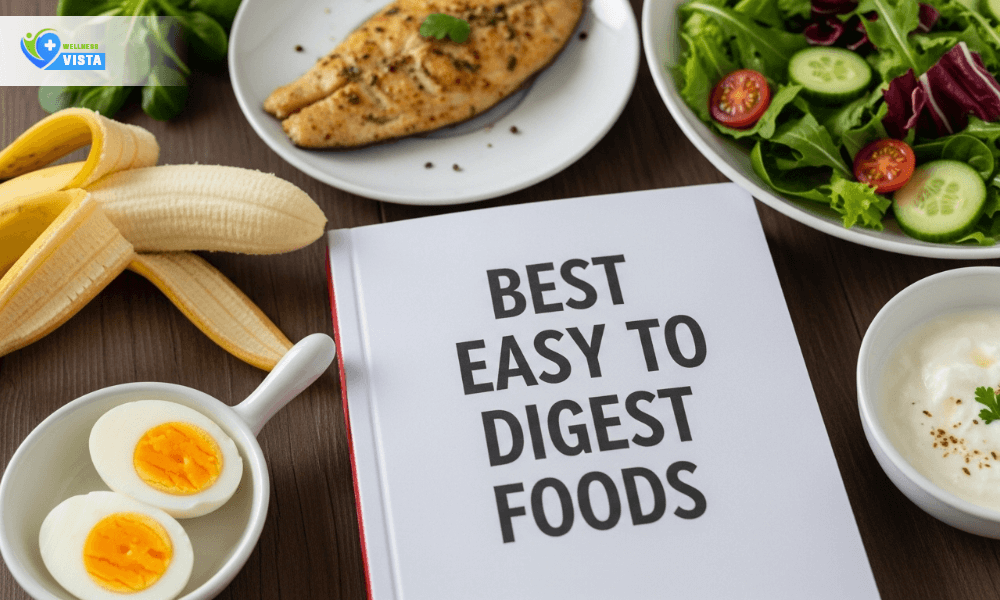
Easy-to-digest foods can be the difference between feeling calm and comfortable and dealing with constant bloating, cramps, and discomfort. However, acid influx or unforeseen abdominal pain may occur if your stomach feels heavy after meals or if you struggle with bloating. The right reflections support your digestive system, fill your gut, and help your body absorb nutrients without stress. In this guide, you’ll discover how certain gentle foods for digestion and smart cuisine styles can soothe vexation and restore balance. Whether you need foods for IBS relief or simple options after illness, these stomach-friendly choices can help you feel lighter and more in control of your health. What Are Easy-to-Digest Foods? Easy-to-digest foods are refections that move easily through your digestive tract without causing bloating or abdominal pain. These foods are generally low in fat and moderate in soluble fiber. They’re soft and prepared with simple medication styles similar to boiled or steamed cuisine. Numerous are mellow diet foods and soft foods for digestive issues, making them ideal for sensitive stomachs. Your digestive system breaks food into nutrients for energy. Heavy fried foods increase digestion time and stress the gut bacteria. In discrepancy, foods that are easy on the stomach reduce vexation and help maintain electrolyte balance. This is why croakers frequently recommend stomach-friendly refections after a gastrointestinal infection or during nausea. What Makes Some Foods Hard or Easy to Digest? The difference frequently comes down to fiber type and fat position. Answerable fiber dissolves in water and supports gut-friendly foods. Uncontrollable fiber can be harder during flare- ups of IBS or acid influx. High-fat refectives decelerate the digestive tract and increase indigestion. A low-fat diet for sensitive stomach cases is frequently recommended by gastroenterologists. The cooking system also matters. Raw vegetables may irritate the digestive system. Boiled carrots or fried rice feel lighter. People following a FODMAP diet frequently notice smaller symptoms. However, conforming fiber and portion size can cover your intestinal hedge and reduce inflammation, If you deal with constipation or diarrhea. 15 Easy-to-Digest Foods You Can Add to Your Diet These easy to digest foods are extensively recommended in clinical nutrition. They work well during bloating, after stomach flu, or when following apost-surgery soft diet. Each option supports simple reflections for digestion while delivering important nutrients. 1. White Rice White rice is one of the stylish foods for a worried stomach. It’s low in fiber and gentle on the digestive tract. Steamed rice absorbs stomach acid and helps during diarrhea recovery. Unlike brown rice, it contains lower indigestible fiber and causes less vexation. 2. Toast and White Bread Plain toast and white chuck are classic mellow diet foods. They’re low-fiber foods for digestion and easy to tolerate during nausea. Toast can absorb redundant acid and help during acid influx occurrences. 3. Bananas Bananas and ripe bananas are rich in potassium and soluble fiber. They support electrolyte balance and are helpful foods for diarrhea recovery. Numerous croakers include them in foods after stomach flu because they’re gentle and soothing. 4. Applesauce Applesauce contains pectin, which supports gut bacteria. It’s easier to tolerate than raw apples. Stewed apples also work and are ideal for a sensitive gut. 5. Oatmeal and Overnight Oats Oatmeal and late oats contain beta- glucan, a type of soluble fiber that feeds probiotics. When soaked overnight or cooked into porridge, oats come out soft and soothing. They’re excellent factory- grounded easy to digest foods. 6. Eggs Eggs provide easy to digest protein sources. Boiled eggs or scrambled eggs are gentle and filling. Soft-cooked eggs digest faster than fried versions. 7. Sweet Potatoes Sweet potatoes are rich in vitamins and soluble fiber. When mashed or ignited with mild seasoning, they’re soft and comforting. They’re excellent foods for bloating relief. 8. Skinless Chicken and Lean Protein Skinless chicken and turkey are lean protein options. They repair tissues without adding heavy fat. Baked or poached chicken fits well into a low-fat diet for sensitive stomach patients. 9. Salmon and White Fish Salmon and white fish are easy to digest protein sources. They give omega- 3 fats that reduce inflammation in the digestive system. Always choose ignited or fumed medication. 10. Cooked Vegetables (Carrots, Zucchini, Spinach) Cooked vegetables are gentler than raw ones. Steamed spinach and boiled carrots soften insoluble fiber. They support foods for IBS relief when eaten in small portions. 11. Red Lentils (Cooked Soft) Red lentils break down easily when boiled. They are one of the best plant-based, easy to digest foods for protein. Cook them until soft for better tolerance. 12. Probiotic Yogurt Probiotic yogurt and kefir add probiotics to your gut microbiome. These help balance gut bacteria and ameliorate digestion time. Choose low-fat options to avoid discomfort. 13. Soups and Bone Broth Bone broth and clear mists hydrate the body. They support electrolyte balance and are ideal during gastrointestinal infection recovery. 14. Saltine Crackers Saltine crackers are mellow and dry. They help absorb stomach acid and ease nausea. 15. Herbal Teas (Ginger, Peppermint) Herbal tea like peppermint tea and gusto tea calms the digestive tract. Studies from the National Center for Complementary and Integrative Health show that gusto reduces nausea. You can read more at Nccih Gov. Easy to Digest Foods for IBS, GERD, and Sensitive Stomach People with Pervasive Bowel Pattern( IBS) and Gastroesophageal Influx Disease( GERD) need GERD-friendly foods that reduce acid influx and bloating. Easy to digest foods lower pressure in the stomach and cover the intestinal hedge. Croakers frequently recommend lower refections and mild seasoning. The table below shows condition-friendly options. Condition Helpful Foods Avoid IBS white rice, bananas, oatmeal fried foods GERD toast, skinless chicken spicy foods Lactose intolerance lactose-free yogurt whole milk For more digestive guidance, visit our internal guide at Wellness Vista Plant-Based Easy to Digest Foods Plant- based easy to digest foods include bananas, oatmeal, tofu, red lentils, and mashed potatoes. These foods nourish the gut microbiome without heavy fat. They’re simple reflections for digestion and support dense gut recovery when cooked properly. Cooking matters.