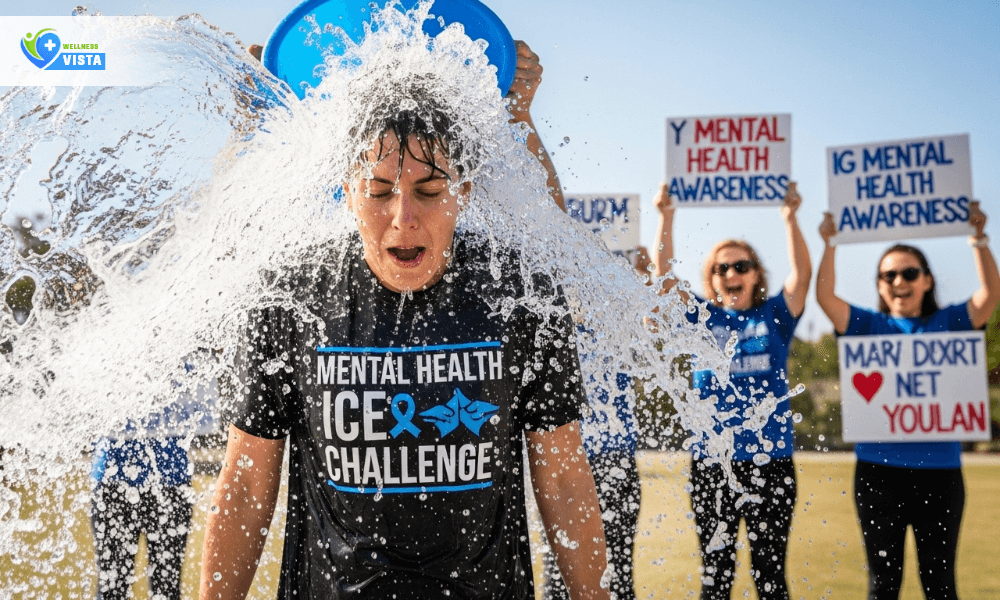
The Mental Health ice bucket challenge is more than just a splash of cold water; it’s a movement that’s changing how we talk about mental health in the U.S. Every time during Mental Health Awareness Month, scholars, youth activists, and online communities take part in this ice water challenge trend to spark discussion, raise finances, and break down walls. What started as a viral trick for ALS has now come a important tool for breaking mental health stigma and promoting emotional support across the nation. Imagine millions of people, from council premises to original communities, pouring ice water over themselves — not just for fun, but to make a statement that internal health matters. By sharing, you join a growing community internal health movement that encourages homogenizing internal health exchanges, participating in extremity support information, and empowering those who might otherwise suffer in silence. The challenge proves that indeed a small, viral act can have a huge impact on youth internal health activism and mental health nonprofit support. What Is the Mental Health Ice Bucket Challenge? The mental health ice bucket challenge is an emblematic exertion designed to raise mindfulness about mental health issues. Actors pour a pail of ice water over themselves while emphasizing the significance of internal health. The challenge spreads through social media and encourages donations to internal health nonprofit support groups. It is especially effective in reaching youth through youth mental health activism and digital activism for health. The focus is not just on fundraising. It also emphasizes homogenizing internal health exchanges and furnishing extremity support information to those who need it. Universities and sodalities, through University mental health action programs, laboriously promote the challenge to engage scholars and faculty. The thing is to make internal health visible and produce a community mental health movement that everyone can share in. The Origin of the Ice Bucket Challenge and Its Viral Comeback The Ice Bucket Challenge first went viral in 2014 to support ALS research. Millions of people, including celebrities, took part, making it a charity social media crusade miracle. Lately, council scholars revived this conception to raise awareness for Mental health. Groups like Active Minds association and a lot of clubs similar to the Mental Illness Needs Discussion( MIND club) commanded this comeback. This reanimation turned a fun ice water challenge trend into a social cause viral trend concentrated on cerebral good mindfulness. With scholars participating vids and nominating musketeers, the crusade snappily gained instigation. The U.S. followership has seen participation from thousands of seminaries and online communities, turning this into a civil movement. Why Ice Bucket Challenge Awareness Matters for Mental Health Raising the ice bucket challenge, mindfulness is pivotal because mental health stigma still prevents many from seeking help. According to the CDC, self-murder is now the second leading cause of death among youth in the U.S. By making internal health conversations public, the challenge promotes self-murder prevention and encourages support for people floundering mentally. When communities partake vids and stories, they increase internal illness visibility and help others feel less alone. This crusade also highlights tone- care coffers participating and extremity support information, making it easier for those in need to find help quickly. Mindfulness juggernauts like this produce both emotional and practical support networks for everyone. How the Ice Bucket Challenge Supports Mental Health Organizations The mental health ice pail challenge directly benefits fundraising sweats for internal health charities. Actors are encouraged to contribute to associations similar to Active Minds, which concentrate on student health and education. The finances raised go toward programs offering emotional support, peer support, and community mending, and mental health education online. Organization Focus Area How Donations Help Active Minds Student mental health Workshops, peer mentoring, awareness campaigns NAMI Public education Crisis helplines, support groups, community resources Local University Clubs Awareness & advocacy Campus events, social media campaigns This table shows how indeed small donations can directly impact lives. Combining viral engagement with fundraising makes the challenge largely effective for mental health nonprofit support. The Role of Youth and Students in the Movement College scholars and youth activists play a central part in spreading the mental health ice pail challenge. Through council scholars’ mental health juggernauts and youth-led advocacy, they produce viral vids and encourage peers to share. Social media platforms make it easy for youth to reach thousands of people quickly, creating instigation for digital activism for health. Youth participation also helps break the mental health stigma on premises. Scholars openly agitating their gestures lead to homogenizing internal health exchanges, encouraging others to seek help. Universities frequently integrate the challenge into broader University internal health action programs to ensure sustainable impact. Breaking the Stigma Around Mental Illness Through Social Media Breaking the Stigma Around Mental Illness Through Social Media. Social media gives the challenge its power. By participating in particular stories alongside the challenge, actors produce a platform for mental illness visibility. The act of pouring ice water becomes more than a trick; it’s a call for cerebral good mindfulness and encouraging people to seek help. Hashtags like#SpeakYourMIND or#BryLinChallenge amplify online mindfulness trends, allowing exchanges to reach people who might otherwise avoid mental health motifs. This system effectively supports community internal heartiness movement and drives real- world action. How to Participate in the Mental Health Ice Bucket Challenge Participating in the mental health ice bucket challenge is simple but meaningful. First, record a short videotape of yourself stating why mental health matters. Also, pour a pail of ice water over your head and share the clip on social media. Do not forget to nominate musketeers and include hashtags to maintain ice bucket challenge mindfulness. Steps to Join the Ice Bucket Challenge: You can start by choosing a safe place to pour water. Speak about mental health while performing the challenge. Post your videotape online, label musketeers, and encourage donations to fundraising for mental health charities. This system ensures the challenge spreads both mindfulness and support. How to Nominate Others and Spread Awareness: Label two or three