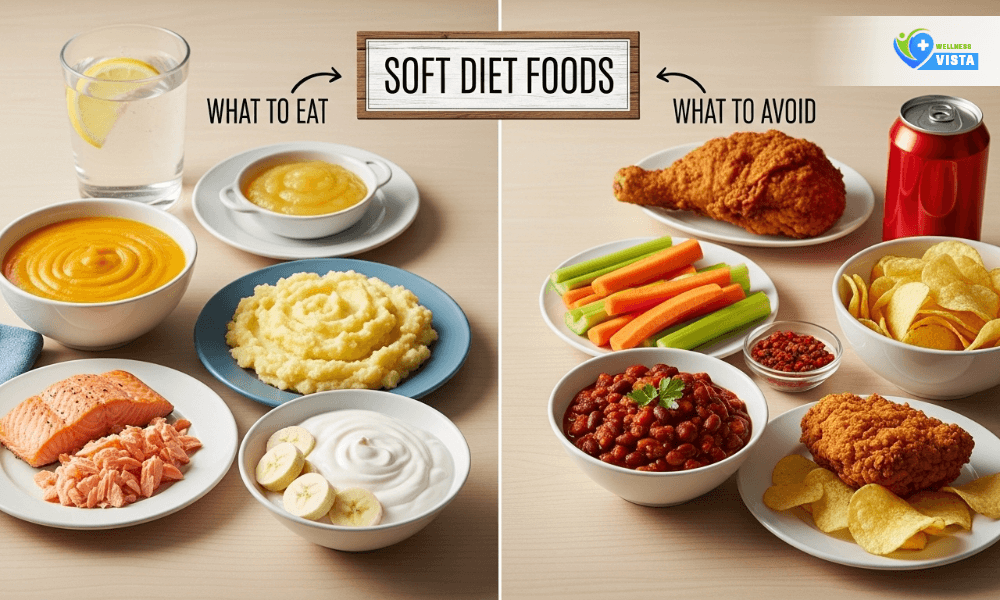
Soft diet foods help your body heal when regular foods feel too hard to bite or digest. Croakers frequently suggest soft diet foods as part of a soft diet plan during illness or mending. This approach focuses on easy-to-chew foods and easy-to-swallow foods that reduce strain on your stomach and throat. In the United States, hospitals generally use a gastrointestinal soft diet or mechanical soft diet as a short- term recovery diet after surgery. However, this companion explains everything in clear, simple terms. If you have ever wondered what a soft food diet.
Soft diet foods are not just mashed refectives. They’re precisely chosen digestive mending foods that cover sensitive apkins. Numerous people follow this plan after dental work, abdominal surgery, or swallowing issues. According to the National Institute on Aging, texture changes can ameliorate safety for aged grown-ups with biting problems. Understanding the benefits of soft food diet choices can make your recovery smoother and less stressful.
What Are Soft Diet Foods?
Soft diet foods are reflections with a gentle texture and low fiber. They belong to a low-fiber diet or occasionally a low-residue diet when croakers want to reduce bowel movement bulk. These foods are wettish, tender, and simple to break down. Numerous hospitals call this food texture approach food texture revision. Cases frequently compare pureed vs soft diet plans when deciding what fits their requirements.
When you follow a gastrointestinal soft diet, you avoid rough edges and hard crusts. The focus stays on soft texture reflections that bear minimal chewing. This system supports balanced soft diet nutrition without galling your digestive tract. It’s common in post-surgery diet plans and during nutrition during recovery ages.
Why Are Soft Diet Foods Recommended?
Croakers suggest soft diet foods for mending and safety. After procedures like abdominal surgery, diet, or oral surgery, patients feel sore. Tough foods can renew injuries. That’s why numerous people follow a Soft Food Diet After Surgery or, indeed, a wisdom teeth extraction diet. The same applies to a radiation remedy diet or chemotherapy recovery diet.
Soft diet foods also support people with biting and swallowing disorders. However, croakers may define a dysphagia diet or dysphagia treatment diet to lower the aspiration threat and food texture problems if someone has dysphagia. Research from the Academy of Nutrition and Dietetics highlights how texture- modified diets ameliorate safety for many patients.
Who Should Follow a Gastrointestinal Soft Diet?
Many groups benefit from soft diet foods. Patients with IBS may need IBS diet soft foods. Those with inflammation follow an ulcerative colitis diet or a diverticulitis diet plan. These conditions respond well to a fiber-restricted diet and a gut-friendly diet approach. This makes soft diet foods part of a Soft Diet for Digestive Problems strategy.
Aged grown-ups frequently need a senior soft diet or Soft Diet for an elderly care plan. Stroke survivors may follow a stroke recovery diet or a swallowing difficulty diet. In each case, croakers estimate who needs a soft diet before starting. Professional guidance ensures proper medical nutrition remedy and safe progress.
Gastrointestinal Soft Diet Food List (Foods to Eat)
A soft food diet includes tender proteins, smooth grains, and moist produce. Doctors often share a Mechanical Soft Diet Food List or tender foods list to guide choices. Below is a helpful table showing common protein sources on a soft diet and produce from a trusted soft vegetables list and soft fruits list.
| Food Group | Examples | Why It Works |
| Proteins | Eggs, ground turkey, tofu | Easy to chew, supports high-protein soft meals |
| Fruits | Bananas, applesauce | Gentle fiber, low irritation |
| Vegetables | Cooked carrots, mashed potatoes | Soft texture, part of low-acid soft foods |
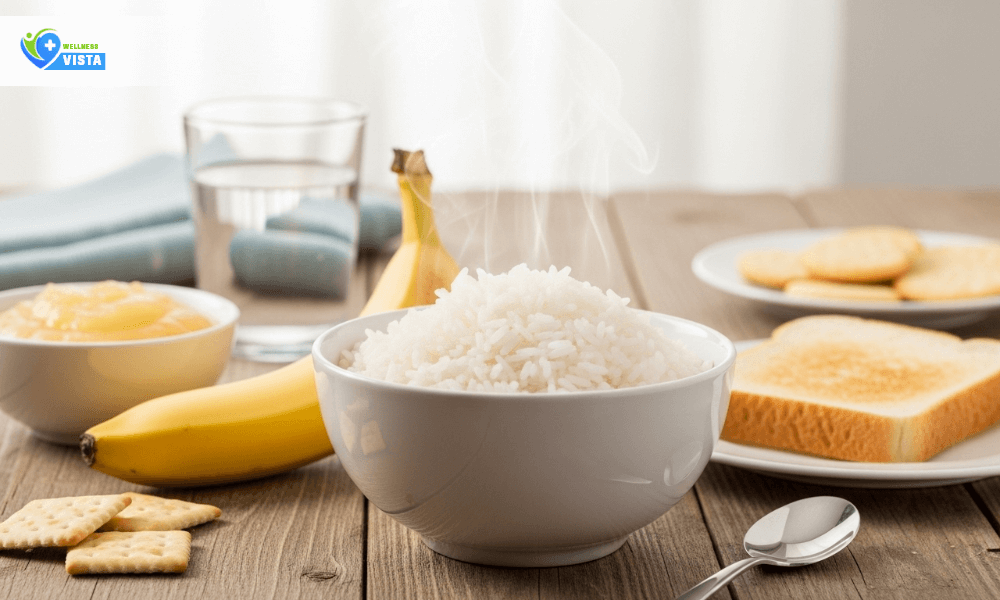
| Grains | Oatmeal, white rice | Simple digestion |
| Dairy | Yogurt, cottage cheese | Moist and soothing |
These choices create GI-friendly meals and support the best foods for digestive rest. They are often part of a Soft Food Diet Meal Plan designed by a professional. Choosing dietitian-recommended soft foods improves healing and energy.
Soft Protein Sources:
Protein protects muscle during recovery. Eggs, soft fish, tofu, and ground meats fit perfectly into soft diet foods. These choices build strength while staying easy to chew. Many hospitals use them in a Soft Food Diet Recovery Plan.
Soft Fruits:
Ripe bananas, canned peaches, and applesauce are safe options. They provide vitamins without harsh fiber. These fruits support fiber intake on a soft diet without upsetting the stomach.
Soft Vegetables:
Cooked carrots, squash, and peeled potatoes belong on a safe jaw surgery food list. They soften well and reduce irritation in a soft diet for GI inflammation.
Grains & Starches:
White rice, oatmeal, and pasta are common in a mechanically altered diet. These grains digest easily and help maintain energy levels.
Dairy & Fluids:
Milk, yogurt, and broth improve hydration on a soft diet. Fluids prevent constipation and maintain comfort.
Soft Diet Foods to Avoid
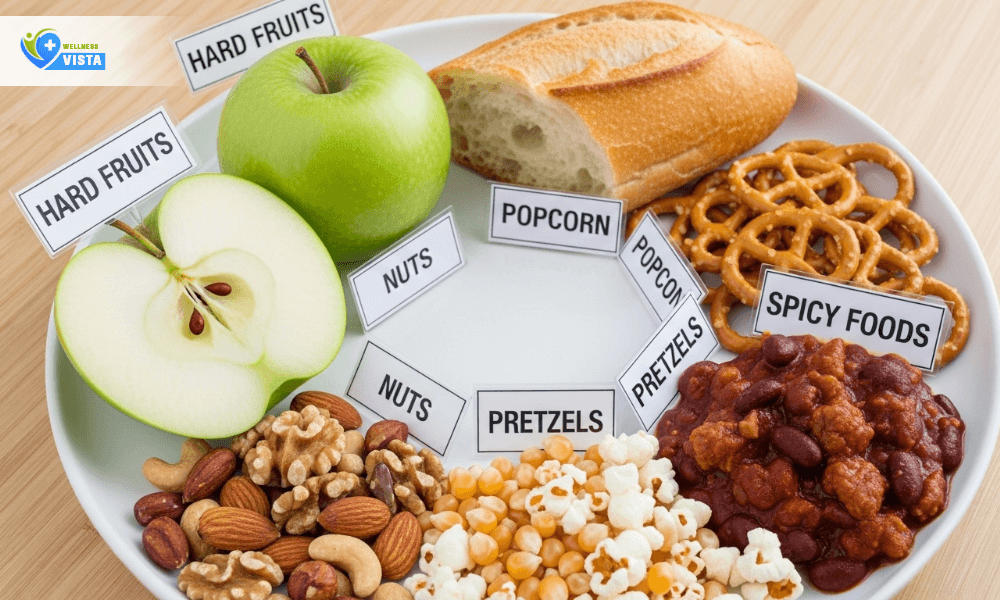
Certain foods damage mending apkins. Brickle nuts, raw vegetables, popcorn, and fried flesh are common foods to avoid on soft diet plans. Racy gravies belong to a low-spice diet plan and should be limited. Acidic fruits can irritate a sensitive stomach.
Avoiding these items protects your progress. Hard textures increase aspiration prevention diet concerns. Limiting rough foods lowers the chance of choking and discomfort. Smart choices reduce setbacks and protect your recovery timeline.
Soft Food Diet Ideas for Easy Meals
Soft diet foods can still taste good. Think creamy oatmeal with banana for breakfast or mashed potatoes with shredded chicken for dinner. These are simple meal ideas for soft food diet planning. They fit into practical soft meal ideas used across U.S. hospitals.
Lunch might include tuna salad without crunchy vegetables. Dinner could be baked fish with soft rice. Snacks like yogurt and pudding serve as gentle snacks for soft diet patients. These are reliable soft snack ideas that keep energy steady.
Breakfast Ideas:
Scrambled eggs and oatmeal make excellent soft breakfast ideas. They digest easily and provide protein.
Lunch Ideas:
Chicken noodle soup and mashed vegetables work as safe soft lunch ideas.
Dinner Ideas:
Ground turkey with rice creates simple, soft dinner recipes for healing.
Snack Ideas:
Applesauce and cottage cheese are easy snacks that fit the soft diet foods guidelines.
How Soft Diet Foods Support Digestive Healing
A soft food diet reduces strain on the inflamed tissue. They form a moist foods diet that calms irritation. This approach is part of a soft diet healing benefits strategy used nationwide. Gentle chewing lowers pressure on surgical areas.
This plan also protects people with a soft diet for swallowing problems. Controlled textures improve safe swallowing techniques and reduce accidents. It supports overall healing while keeping nutrition steady.
Important Tips When Eating Soft Diet Foods
Eat slowly and chew thoroughly. Even a soft food diet requires mindful eating. Small meals throughout the day help maintain strength. Follow clear soft diet guidelines from your provider.
Focus on hydration and protein. Monitor fiber intake ona soft diet carefully. Balanced meals prevent malnutrition and soft diet complications. Your doctor will explain when to transition from soft diet safely.
How Long Should You Stay on a Soft Food Diet?
The answer depends on your condition. Some follow a soft food diet for a few days. Others may need weeks. Always ask your provider how long to follow soft diet recommendations.
Transition slowly to regular meals. Doctors evaluate comfort, strength, and swallowing ability before approving a change. Patience prevents setbacks.
Potential Risks of Long-Term Soft Diet Use
Long-term soft foods can lower fiber and nutrient intake. This may increase risks of long-term soft diet use, such as weakness. Without guidance, malnutrition and soft diet concerns may develop.
Work with professionals for balance. Proper planning ensures steady progress and safe recovery. When used correctly, soft diet foods provide powerful support during healing.
FAQs
Q1: What are soft diet foods?
A1: Soft foods are easy to bite and swallow, generally low in fiber, and gentle on the stomach. They’re frequently recommended during recovery or for digestive problems.
Q2: Who needs soft diet foods?
A2: People recovering from surgery, dealing with digestive issues, or having swallowing difficulties may need soft diet foods for safe and comfortable eating.
Q3: How long should I stay on soft diet foods?
A3: Most people follow soft foods for many days to many weeks, depending on their medical condition and their doctor’s advice.