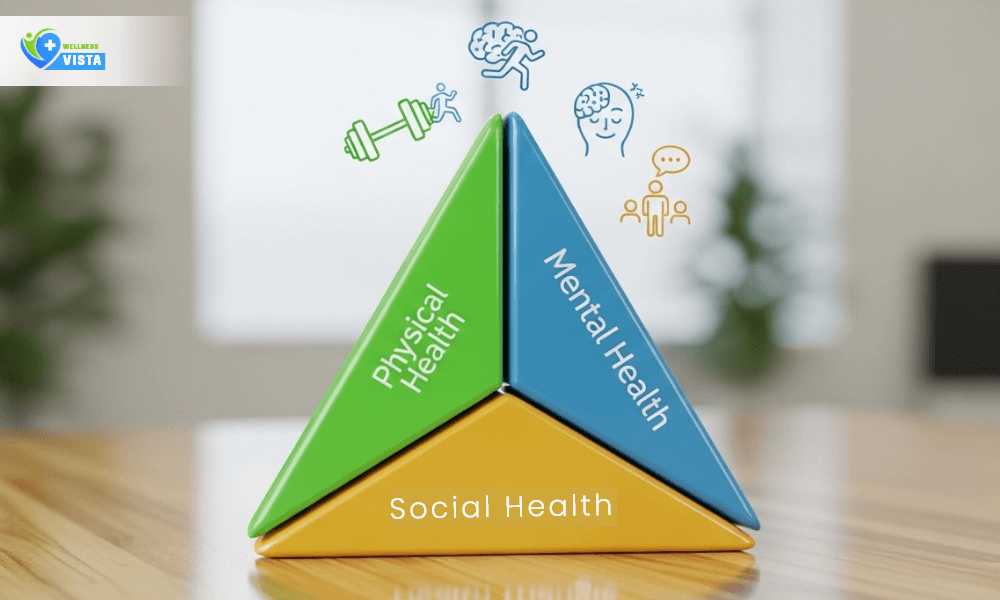
Health triangle is not just a term you’ll see in handbooks; it’s a roadmap to living your healthiest, happiest life. Numerous people concentrate only on exercise or diet, allowing that’s enough for physical health, but true heartiness is far more intricate. Your internal health and social health are just as vital, shaping how you handle stress, connect with others, and indeed how your body responds to diurnal challenges. Ignoring one side can still unravel the others, leaving you drained, unmotivated, or emotionally out of balance. Understanding the health triangle gives you clarity, showing exactly how to strengthen each area. By learning to balance your tone-care routine, you unleash a sustainable path toward energy, adaptability, and overall happiness that lasts a continuation. What Is the Health Triangle? To understand what is the health triangle, look at the World Health Organization (WHO) definition. The WHO definition of health explains health as complete mental, physical, and social balance, not only the absence of disease. The health triangle connects physical wellbeing, emotional wellbeing, and social wellbeing into one health and wellness model. This holistic wellbeing framework is widely used in health psychology, happiness psychology, and wellness science. Tools like the health triangle assessment, the health triangle worksheet, and the self-assessment help people understand their wellness journey clearly. The Three Sides of the Health Triangle Explained The health triangle depends on equal strength in all areas. Weakness on one side affects the others. This balance protects against habitual health issues, supports preventative health care, and improves life operation. The determinants of health include genetics and biology, terrain and living conditions, access to healthcare, access to nutritional food, clean water availability, fiscal stability, and lifestyle and life choices. These factors shape long- term health issues. Physical Health: Regular physical exertion, diurnal exercise, walking, strength training, fitness classes, yoga, stretching, and natural body movement ameliorate optimum physical performance and cover vulnerable system health. Good nutrition and diet include a balanced diet, low glycemic foods, healthy fats, fruits and vegetables, proper water input, and strong hydration benefits. Healthy sleep quality, sleep hygiene, 7 – 9 hours of sleep, and proper rest and recovery strengthen the vulnerable system. Mental Health: The mental side supports internal health, mindfulness, and emotional health. Strong internal good improves focus, provocation, and confidence. diurnal stress reduction, anxiety operation, and depression forestallment cover emotional balance. Healthy managing chops, emotional regulation, and awareness practices like journaling, tone-reflection, and tone-mindfulness figure emotional adaptability. A positive mindset, strong tone of regard, and adaptability structure help collapse symptoms and decision fatigue. Social Health in the Health Triangle: The social health importance side focuses on relationships. Strong social health and social good grow through connections, family support, gemütlichkeit, peer connections, and colleague connections, supported by good communication skills. Regular social commerce and social connection, community involvement, volunteering benefits, social events, and strong support systems help loneliness. Healthy support networks, participated conditioning, and relationship heightening ameliorate community well-being. Why the Health Triangle Needs to Be Balanced A balanced health triangle protects against stress overload. When one side weakens, collapse increases, and recovery slows. Balanced health improves emotional balance, collapse prevention, and long- term happiness and good. Strong balance also improves vulnerable system health, energy situations, and focus. This supports daily productivity and emotional stability. How the Health Triangle Becomes Unstable The health triangle becomes unstable through technology overuse, heavy screen time impact, sleep dislocation, poor nutrition, and weak social bonds. These habits beget eyestrain and headaches, stress, and emotional fatigue. Lack of tone- care actions, weak support systems, and poor life operation increase health pitfalls and emotional insecurity. Health Triangle Assessment – Check Your Overall Wellbeing A health triangle assessment helps identify weak areas. A health triangle worksheet supports self-assessment, health, and goal setting. These tools help track physical, internal, and social habits easily. Healthcare systems use these tools alongside regular medical checks, croaker visits, blood pressure monitoring, and fitness trackers to support early detection. How to Analyze Your Health Triangle Results: Results show which side needs care. Low physical scores signal poor physical well-being. Low mental scores suggest stress overload. Low social scores indicate isolation risk. Adjusting habits sluggishly restores balance and strengthens long- term health. How to Maintain a Balanced Health Triangle Maintaining balance requires simple diurnal choices. A harmonious tone- care routine, strong healthy habits, and an aware life operation cover good. Small advancements produce lasting results across all health areas. Maintain Physical Health: Maintain physical health with regular movement, balanced refections, good sleep, and hygiene. Oral health, dental care, good complaint forestallment, skincare routine, and sunscreen protection help long-term damage. Maintain Mental Health: Mental health improves through remedy, creativity, literacy, and rest. remedy support, certified professionals, and internal illness treatment strengthen emotional stability and provocation. Maintain Social Health: Social health grows through connection. Figure healthy connections, join community conditioning, and strengthen social support systems to help insulation. Using the Health Triangle for Daily Self-Care The health triangle attendants’ diurnal tone- care opinions. It reminds you to balance work, rest, feelings, and connections for better long- term issues. Mental Health Awareness During internal health mindfulness month, the health triangle helps people understand emotional requirements and improve internal health mindfulness across communities. Trusted guidance is available from the World Health Organization (WHO) and medical experts at Mayo Clinic. Start Perfecting Today Perfecting your health triangle starts with mindfulness. Balance body care, emotional strength, and social connection. A small way leads toan important change. A strong triangle supports lifelong health, confidence, and happiness. Conclusion The health triangle reminds us that true healthiness is not just about avoiding illness or going to the spa; it’s about balance. Physical strength, internal stability, and social connection work together to shape your overall quality of life. When one side is ignored, the others begin to suffer, leading to stress, fatigue, and emotional imbalance. By making small diurnal advancements in tone-care, stress operation, and connections, you produce a strong foundation for lifelong health. A balanced health triangle means further energy, better adaptability, and a

Mental Health Ice Bucket Challenge: A Viral Movement for Good
The Mental Health ice bucket challenge is more than just a splash of cold water; it’s a movement that’s changing how we talk about mental health in the U.S. Every time during Mental Health Awareness Month, scholars, youth activists, and online communities take part in this ice water challenge trend to spark discussion, raise finances, and break down walls. What started as a viral trick for ALS has now come a important tool for breaking mental health stigma and promoting emotional support across the nation. Imagine millions of people, from council premises to original communities, pouring ice water over themselves — not just for fun, but to make a statement that internal health matters. By sharing, you join a growing community internal health movement that encourages homogenizing internal health exchanges, participating in extremity support information, and empowering those who might otherwise suffer in silence. The challenge proves that indeed a small, viral act can have a huge impact on youth internal health activism and mental health nonprofit support. What Is the Mental Health Ice Bucket Challenge? The mental health ice bucket challenge is an emblematic exertion designed to raise mindfulness about mental health issues. Actors pour a pail of ice water over themselves while emphasizing the significance of internal health. The challenge spreads through social media and encourages donations to internal health nonprofit support groups. It is especially effective in reaching youth through youth mental health activism and digital activism for health. The focus is not just on fundraising. It also emphasizes homogenizing internal health exchanges and furnishing extremity support information to those who need it. Universities and sodalities, through University mental health action programs, laboriously promote the challenge to engage scholars and faculty. The thing is to make internal health visible and produce a community mental health movement that everyone can share in. The Origin of the Ice Bucket Challenge and Its Viral Comeback The Ice Bucket Challenge first went viral in 2014 to support ALS research. Millions of people, including celebrities, took part, making it a charity social media crusade miracle. Lately, council scholars revived this conception to raise awareness for Mental health. Groups like Active Minds association and a lot of clubs similar to the Mental Illness Needs Discussion( MIND club) commanded this comeback. This reanimation turned a fun ice water challenge trend into a social cause viral trend concentrated on cerebral good mindfulness. With scholars participating vids and nominating musketeers, the crusade snappily gained instigation. The U.S. followership has seen participation from thousands of seminaries and online communities, turning this into a civil movement. Why Ice Bucket Challenge Awareness Matters for Mental Health Raising the ice bucket challenge, mindfulness is pivotal because mental health stigma still prevents many from seeking help. According to the CDC, self-murder is now the second leading cause of death among youth in the U.S. By making internal health conversations public, the challenge promotes self-murder prevention and encourages support for people floundering mentally. When communities partake vids and stories, they increase internal illness visibility and help others feel less alone. This crusade also highlights tone- care coffers participating and extremity support information, making it easier for those in need to find help quickly. Mindfulness juggernauts like this produce both emotional and practical support networks for everyone. How the Ice Bucket Challenge Supports Mental Health Organizations The mental health ice pail challenge directly benefits fundraising sweats for internal health charities. Actors are encouraged to contribute to associations similar to Active Minds, which concentrate on student health and education. The finances raised go toward programs offering emotional support, peer support, and community mending, and mental health education online. Organization Focus Area How Donations Help Active Minds Student mental health Workshops, peer mentoring, awareness campaigns NAMI Public education Crisis helplines, support groups, community resources Local University Clubs Awareness & advocacy Campus events, social media campaigns This table shows how indeed small donations can directly impact lives. Combining viral engagement with fundraising makes the challenge largely effective for mental health nonprofit support. The Role of Youth and Students in the Movement College scholars and youth activists play a central part in spreading the mental health ice pail challenge. Through council scholars’ mental health juggernauts and youth-led advocacy, they produce viral vids and encourage peers to share. Social media platforms make it easy for youth to reach thousands of people quickly, creating instigation for digital activism for health. Youth participation also helps break the mental health stigma on premises. Scholars openly agitating their gestures lead to homogenizing internal health exchanges, encouraging others to seek help. Universities frequently integrate the challenge into broader University internal health action programs to ensure sustainable impact. Breaking the Stigma Around Mental Illness Through Social Media Breaking the Stigma Around Mental Illness Through Social Media. Social media gives the challenge its power. By participating in particular stories alongside the challenge, actors produce a platform for mental illness visibility. The act of pouring ice water becomes more than a trick; it’s a call for cerebral good mindfulness and encouraging people to seek help. Hashtags like#SpeakYourMIND or#BryLinChallenge amplify online mindfulness trends, allowing exchanges to reach people who might otherwise avoid mental health motifs. This system effectively supports community internal heartiness movement and drives real- world action. How to Participate in the Mental Health Ice Bucket Challenge Participating in the mental health ice bucket challenge is simple but meaningful. First, record a short videotape of yourself stating why mental health matters. Also, pour a pail of ice water over your head and share the clip on social media. Do not forget to nominate musketeers and include hashtags to maintain ice bucket challenge mindfulness. Steps to Join the Ice Bucket Challenge: You can start by choosing a safe place to pour water. Speak about mental health while performing the challenge. Post your videotape online, label musketeers, and encourage donations to fundraising for mental health charities. This system ensures the challenge spreads both mindfulness and support. How to Nominate Others and Spread Awareness: Label two or three
Top 10 Benefits of Choosing Cherokee Health Systems for Care
Are you tired of juggling multiple croakers for your physical and mental health? Cherokee Health brings everything together under one roof, offering integrated healthcare that truly cares for you and your family. From primary medical care and internal health treatment to dependence recovery programs and family support services, Cherokee Health Systems ensures whole-person care with educated healthcare professionals and telehealth services for accessible care anywhere in the USA. What Is Cherokee Health? Overview of the Organization: Cherokee Health Systems is a nationally honored healthcare provider in the USA. It combines community health services, behavioral health services, and primary medical care under one roof. The association’s goal is to give holistic healthcare that addresses both physical and internal health. By fastening on case- centered care, Cherokee Health ensures that all cases, from children to adults, admit substantiated attention. Who Cherokee Health Serves: Cherokee Health serves a wide range of individuals, including those in need of family drug, habitual complaint operation, and internal health programs. They also offer specialized services for substance abuse treatment and dependence recovery programs, making it a mecca for community- grounded healthcare. Youth and family services include child and adolescent care, family support programs, and social support services, ensuring every member of the community has access to care. Benefit 1: Integrated Medical and Behavioral Healthcare One of the biggest advantages of choosing Cherokee Health is the combination of primary medical care and behavioral health services. This integrated healthcare approach ensures that patients can admit medical consultations, remedies, and comfort in one place. It simplifies care, making it easier to address both physical and emotional requirements. This approach also improves patient issues. Individuals with habitual conditions like diabetes or heart disease can contemporaneously receive internal health treatment, depression treatment, and anxiety counseling. The association focuses on whole- person care, emphasizing preventative healthcare and long- term heartiness. Benefit 2: Mental Health Services Available Cherokee Health provides comprehensive internal health programs, including extremity intervention, trauma remedy, and psychiatric services. Certified therapists work with cases to ensure substantiated care. These services support emotional health and help individuals manage stress, anxiety, or depression. They also offer group and behavioral therapy programs, which are critical for long-term recovery and well-being. Cases profit from inpatient services for nonstop support, and telehealth services ensure healthcare availability indeed for those far from a clinic. Benefit 3: Affordable and Community-Focused Care Accessibility and affordability are at the heart of Cherokee Health Systems. They give affordable healthcare options, accept colorful insurance plans, and offer sliding scale fees. By fastening on community health services, Cherokee Health ensures that no bone is left without care due to fiscal limitations. Original conventions give routine checks, health screenings, and health examinations to all cases. These services help communities maintain good health while reducing sanitarium visits. Their strong focus on patient support services reinforces the sense of trust and community in care delivery. Benefit 4: Primary Care Services Under One Roof At Cherokee Health, patients can access primary medical care and family care without visiting multiple locations. Services include medical consultations, habitual condition operation, health examinations, and preventative healthcare. This model ensures cases receive harmonious and nonstop care. By integrating clinical services with behavioral health services, Cherokee Health provides a flawless experience. Cases can admit routine checks alongside internal health treatment, ensuring no aspect of their health is overlooked. Benefit 5: Addiction Treatment and Recovery Programs Cherokee Health Systems excels in dependence recovery programs, offering substance use complaint treatment, inpatient recovery, and fall prevention. Their recovery support services give guidance and long-term care for individuals floundering with dependence. Cases have access to behavioral remedy programs and internal health programs, which support both emotional and physical recovery. With compassionate care and substantiation-grounded treatment, Cherokee Health improves recovery success rates and supports long-term heartiness. Benefit 6: Experienced and Compassionate Providers The strength of Cherokee Health lies in its platoon of educated healthcare professionals who give compassionate care. Each provider is trained in substantiation- grounded treatment and follows a holistic healthcare approach. Cases feel heard and understood, which improves trust and treatment issues. From certified therapists to primary care providers, each professional emphasizes quality case care. The association’s approach ensures that both physical and internal health receive equal attention, supporting whole-person care in every case. Benefit 7: Convenient Locations and Telehealth Options Cherokee Health offers numerous original health conventions across the USA, making healthcare easy to access. Cases can record virtual movables through telehealth services, furnishing convenience for those unfit to travel. This focus on healthcare availability ensures harmonious care for all. Patients can attend routine checks, health examinations, and medical consultations from home. The combination of physical conventions and patient support services makes care flawless and stress-free. Benefit 8: Family and Youth Support Services at Cherokee Health Families profit from family support programs, child and adolescent care, and youth services. Cherokee Health Systems guides emotional and physical health, helping families navigate challenges together. The community approach ensures children are admitted to internal health programs while parents access preventative healthcare and clinical services. These programs strengthen families and promote a healthy, probative terrain for all community members. Benefit 9: Long-Term Wellness and Preventive Care Cherokee Health emphasizes long-term health with preventative healthcare, health works, and habitual complaint operation. Cases are educated on life changes, diet, and internal health support to maintain overall health. By integrating behavioral health services and primary medical care, Cherokee Health encourages early discovery and prevention. Their focus on whole- person care ensures that cases admit guidance for both immediate enterprises and long- term health. Benefit 10: Why Cherokee Health Is a Trusted Community Healthcare Provider Cherokee Health Systems is trusted for its compassionate care, experienced healthcare professionals, and commitment to community- grounded healthcare. Cases constantly report satisfaction due to accessible services, case- centered care, and dependable issues. Witnesses frequently punctuate recovery support services, internal health programs, and effective substance abuse treatment. By combining medical, behavioral, and community- concentrated care, Cherokee Health remains a pillar of health and heartiness. How to Get Started
Women’s Mental Health Month Guide for Awareness
Women’s Mental Health Month is more than just a timetable event — it’s a reminder that the emotional and cerebral well-being of women deserves attention every day. Across the United States, millions of women quietly battle patient sadness, anxiety in women, and postpartum depression, frequently without the support they need. Imagine juggling careers, family liabilities, and social prospects while your emotional balance is stretched thin. That’s the reality for numerous women, and it’s why understanding mental health in women is so pivotal. During this month, mindfulness juggernauts, women’s internal health support, and educational programs come together to punctuate early intervention, tone care, and the path women can take to reclaim their emotional well-being. What Is Women’s Mental Health Month Women’s Mental Health Month focuses on education, prevention, and women’s internal health mindfulness. It reminds you that emotional health for women matters as much as physical health. Advocacy groups use this time to promote women’s mental health and reduce stigma around women and mental health. This observance also highlights emotional well-being, tone of regard, and healthy management mechanisms. Juggernauts partake in tools for stress reduction and diurnal tone-care practices. The thing is simple. Help every woman feel seen, supported, and empowered to seek professional support without fear. When Is Women’s Mental Health Month Many people ask, “When is Women’s Mental Health Month?” In the U.S., it aligns closely with May’s broader mental health initiatives. This period overlaps with women’s mental health week activities and nationwide women’s mental health awareness campaigns. Health groups connect this time with education on behavioral health care, psychiatric evaluation, and emotional healing. You’ll often see events, webinars, and screenings that promote early help. These efforts improve emotional stability and long-term psychological resilience. Mental Health by the Numbers Data shows why women’s mental health month matters. Rates of depression in women, anxiety in women, and PTSD in women remain higher than in men. Hormonal stages, stress load, and social roles all affect mood regulation and emotional balance. Condition U.S. Women Affected Key Insight Depression Nearly 2x men Linked to hormonal fluctuations Anxiety Disorders Very common Often tied to excessive worry Postpartum Depression 1 in 8 mothers Major maternal health risk PTSD Higher in women Trauma exposure differences Eating Disorders Majority women Social pressure impact Why Women’s Mental Health Matters Strong women’s mental health supports families and workplaces. Women often carry hidden emotional labor. This leads to caregiver burnout, poor work-life balance, and rising emotional distress. Ignoring this can harm brain function, relationships, and career growth. When emotional stability improves, so does social connection. Healthier women create healthier communities. That is why Women’s Mental Health Month promotes year-round awareness. Hormones and Mood Changes Shifts during puberty, gestation, and menopause affect neurotransmitters like serotonin. This influences dopamine balance, mood, and brain- body connection. Conditions similar to PMDD symptoms, postpartum depression, antenatal depression, and menopause anxiety symptoms are common. Perimenopause mood swings and menopause depression also appear. Understanding hormonal imbalance and mood helps croakers give individualized treatment. Common Mental Disorders in Women Mood disorders in women include depression, anxiety, and bipolar disorders. Numerous women also experience ADHD or trauma-related mental illness after life stress. Eating disorders in women and PTSD in women frequently connect to body image and trauma. These conditions affect tone of regard, attention problems, and loss of provocation. Beforehand, mental health comfort improves recovery. Early Signs to Watch For Watch for patient sadness, perversity, and forlornness. Notice sleep disturbance, fatigue, or appetite changes. These signs frequently show early emotional distress. Other suggestions include fear attacks, inordinate solicitude, and social pullout. Trouble fastening signals issues with cognitive performance. Seeking a remedy for women beforehand prevents deeper problems. Exercise for Mental Health Movement strengthens fitness and brain health. Exercise for mental health increases endorphin release and improves blood flow to the brain. This boosts mood and supports the nervous system, calming. Research shows walking for mental health, yoga for anxiety, and strength training and mood benefits. Regular activity supports exercise and dementia prevention and Alzheimer’s risk reduction. Self-Care Habits for Women A steady self-care routine for women protects sleep and mental health. Practices like mindfulness for anxiety, breathing exercises for stress, and journaling for mental health support balance. Healthy lifestyle habits improve sleep quality improvement and muscle tension relief. Simple stress management techniques help daily mood. Consistency builds lasting emotional balance. Treatment and Support Options Care options include psychiatric treatment for women, telepsychiatry services, and in-person therapy sessions. Doctors use medication management and medication for depression when needed. Group care, like support groups for women, improves coping mechanisms. Combining therapy with medical care strengthens behavioral health care and full recovery. Supporting Women Year-Round Support must continue after women’s mental health month ends. Ongoing education keeps stigma low. Families should encourage open talks about mental health in women. Workplaces can promote flexible schedules and wellness days. Community efforts improve emotional well-being and long-term brain health for women. Real change happens when awareness turns into daily action. FAQs Q1: What is Women’s Mental Health Month?A1: It’s a dedicated time to raise awareness about mental health in women and promote emotional well-being. Q2: When is Women’s Mental Health Month observed?A2: It is primarily observed in May in the United States, coinciding with awareness campaigns and activities. Q3: Why is Women’s Mental Health Month important?A3: It highlights unique challenges women face, encouraging early care, support, and female mental health support.